
Ngorongoro Crater
The Natural Wonder of the Lost World
Ngorongoro Crater is one of the most extraordinary natural wonders in Africa and a UNESCO World Heritage Site located in northern Tanzania. Formed millions of years ago by a massive volcanic eruption and subsequent collapse, the crater is now the world’s largest intact and unfilled volcanic caldera, creating a breathtaking natural enclosure that supports an incredible concentration of wildlife.
Often described as the “Eden of Africa,” the crater floor is a self-contained ecosystem where grasslands, swamps, forests, and lakes exist within a dramatic volcanic basin.
Wildlife in Ngorongoro
Ngorongoro Crater is home to one of the densest concentrations of wildlife in the world, supporting over 25,000 large animals within its 260 square kilometers. The crater provides a year-round water and food supply, making it a permanent habitat for a wide variety of species.
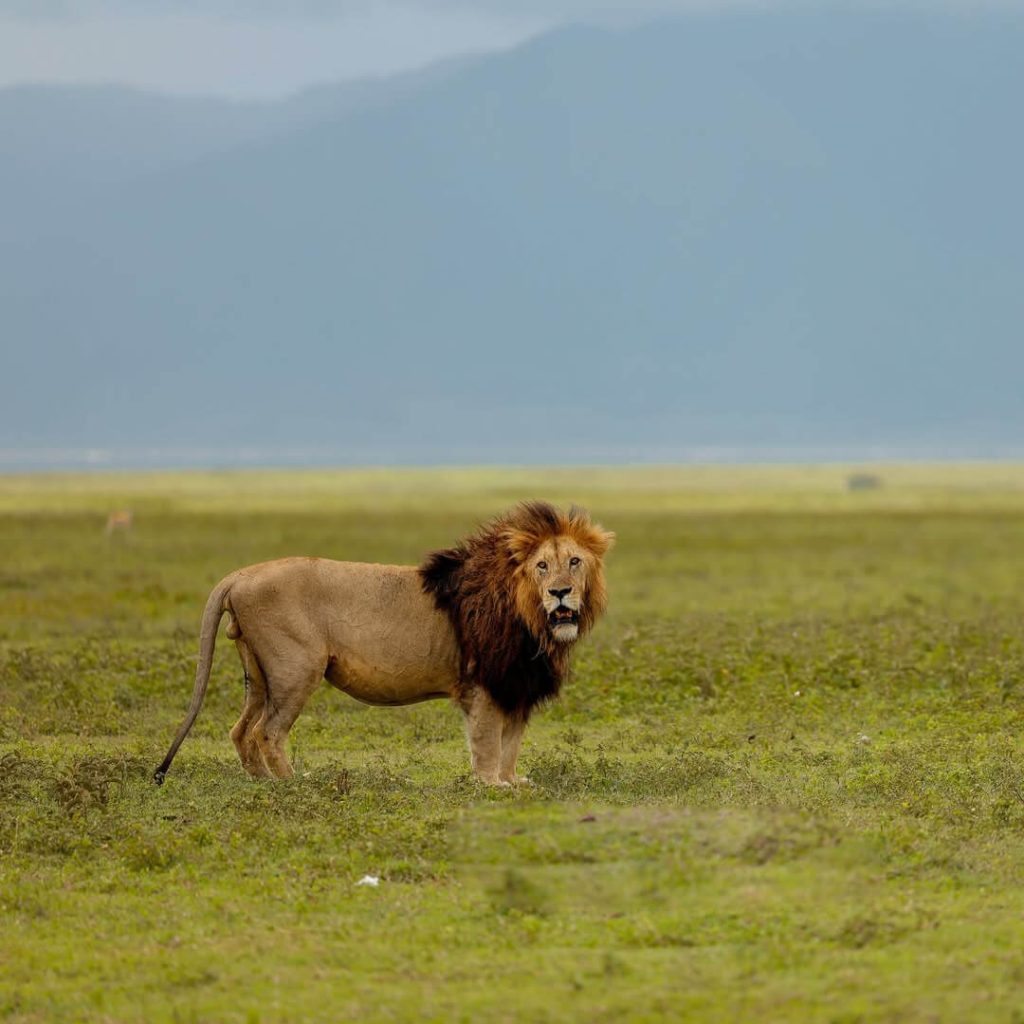
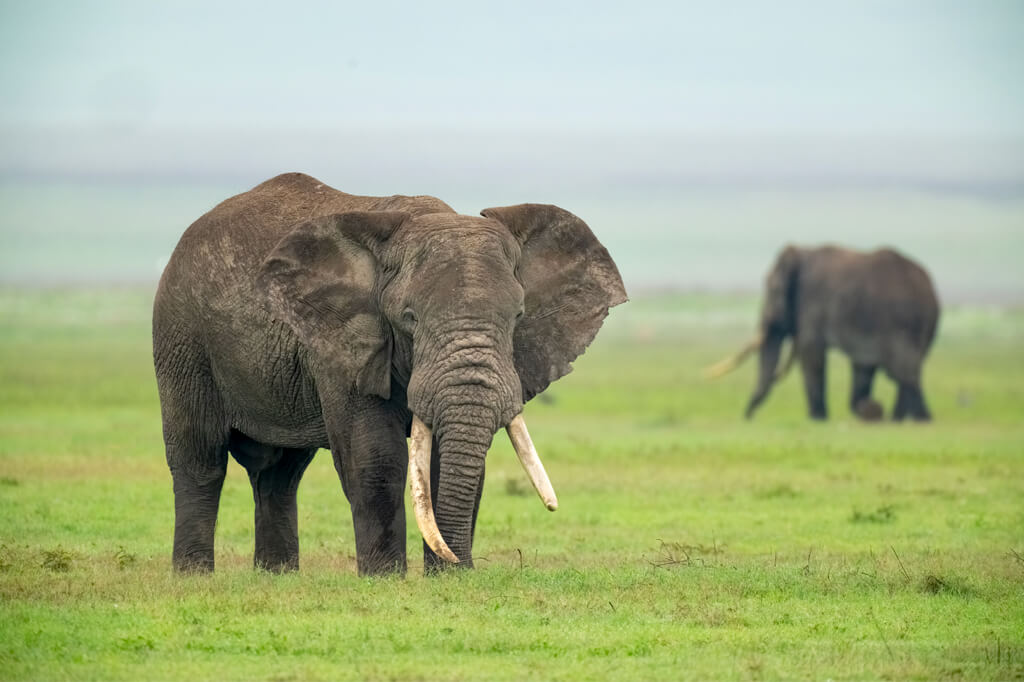
It is one of the best places in Africa to see the Big Five—lion, elephant, buffalo, leopard, and the rare black rhinoceros. The crater is particularly famous for its healthy population of lions, which are often seen resting on the open grasslands or hunting during early morning hours. Elephants within the crater are mostly large tuskers, often seen in the Lerai Forest, while buffaloes gather in massive herds across the plains.
The endangered black rhino is one of the most iconic sightings in Ngorongoro, as the crater remains one of the few places in Tanzania where this species can still be observed in the wild. Leopards are more elusive and typically found in forested areas, while hyenas are highly visible and play a dominant role in the ecosystem.
Other wildlife includes large populations of zebras, wildebeests, gazelles, elands, hippos, and warthogs. The mix of predator and prey within such a confined space creates intense wildlife interactions, offering some of the most dramatic safari moments in Africa.
Birds in Ngorongoro
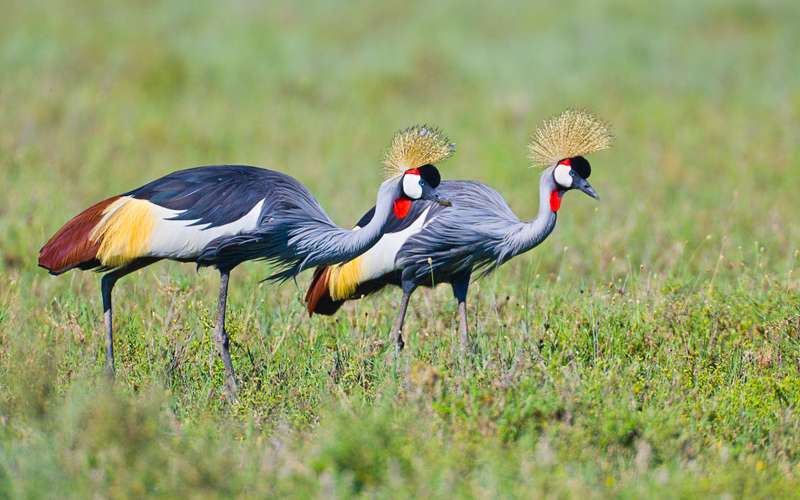
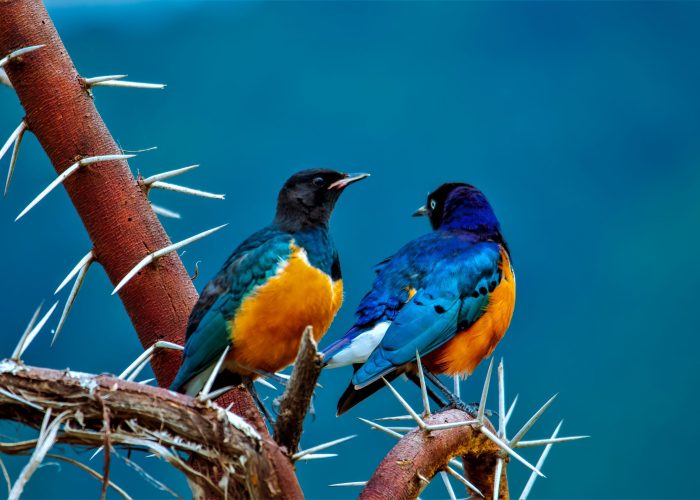
Ngorongoro Crater is also a haven for bird enthusiasts, with over 500 recorded species inhabiting its diverse ecosystems. The combination of lakes, swamps, grasslands, and forests creates ideal conditions for both resident and migratory birds.
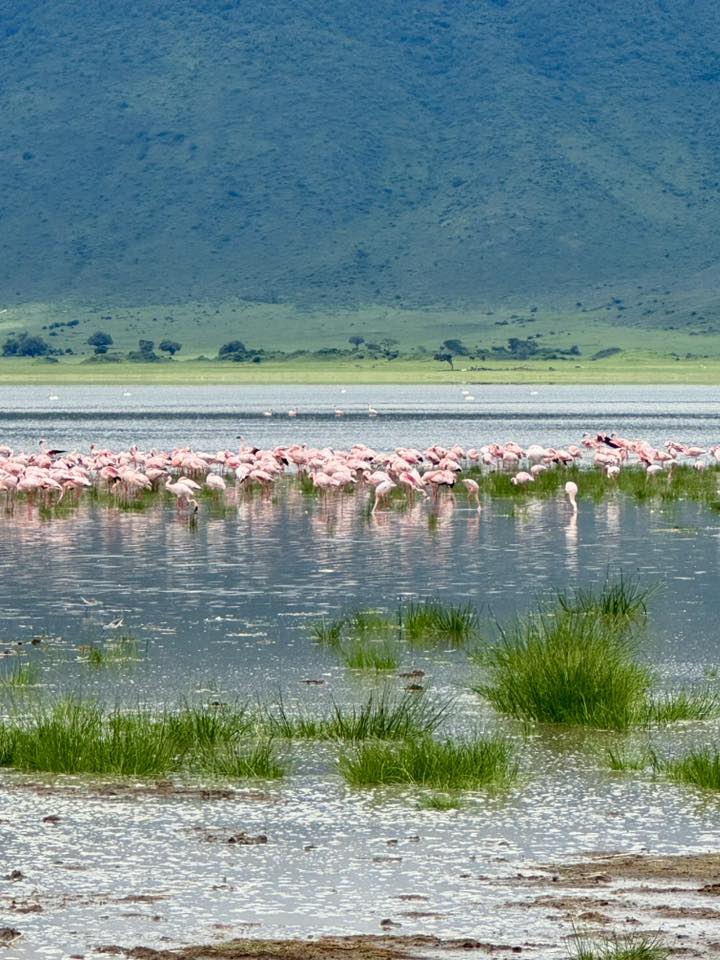
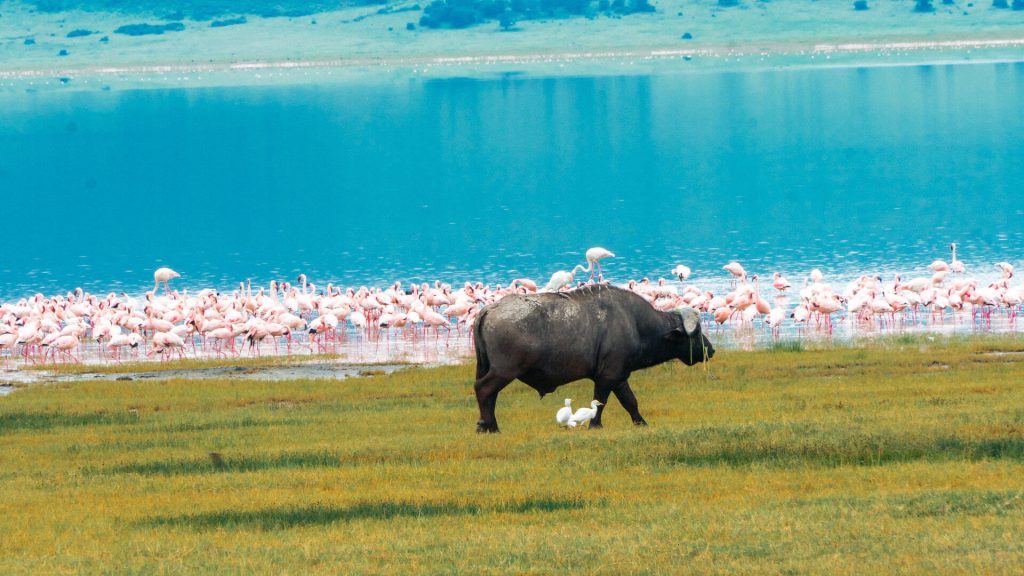
The crater floor’s alkaline Lake Magadi attracts large flocks of flamingos, especially during certain seasons, painting the water in shades of pink. Other waterbirds such as pelicans, storks, herons, and ibises are commonly seen around wetland areas.
Birds of prey are highly visible in Ngorongoro, including martial eagles, augur buzzards, and secretary birds, which patrol the open plains in search of prey. Forested areas around the crater rim host species such as turacos, hornbills, and sunbirds, adding color and diversity to the ecosystem.
During the wet season, migratory birds further enrich the crater’s birdlife, making it a dynamic and ever-changing birdwatching destination throughout the year.
Ngorongoro Crater can be visited year-round due to its stable ecosystem and permanent wildlife population. However, the best game viewing is generally during the dry season from June to October, when vegetation is shorter and animals are easier to spot across the crater floor.
The wet season from November to May transforms the crater into a lush green paradise with blooming landscapes and excellent birdwatching opportunities, especially with migratory species and flamingo activity at Lake Magadi. Although wildlife is still abundant, some areas may become muddy, and visibility can be slightly reduced due to tall grass.
Each season offers a unique experience, making Ngorongoro a truly all-year-round safari destination.
How to Get There
- By Road (Safari Vehicle)
the journey from Arusha takes around 3 to 4 hours, passing through the scenic landscapes of the Great Rift Valley and the highlands near Karatu. The route offers beautiful views of farmland, coffee plantations, and rolling hills before reaching the crater rim.
- By Air
Travelers can fly into Lake Manyara Airstrip or nearby Serengeti airstrips, followed by a short road transfer into the Ngorongoro Conservation Area. This option is commonly used in luxury safari itineraries that combine multiple destinations.
Eco Dream Safari
Safari Specialist
Why Eco Dream
- Responsible Luxury & Comfort
- Personalized Safari Experience
- Authentic Wildlife Experience
Activities in Ngorongoro Crater
Game Drives
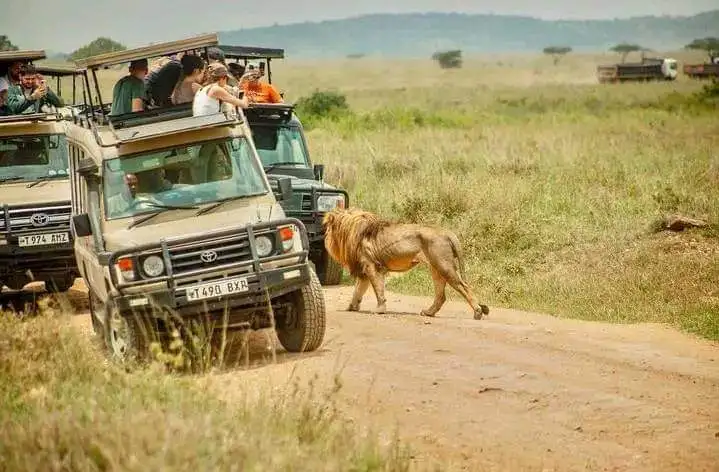
Game drives inside Ngorongoro Crater are among the most rewarding safari experiences in Africa. Descending early in the morning into the crater floor, visitors are immediately surrounded by vast open plains filled with wildlife.
The compact nature of the crater allows for exceptional game viewing within a short period, often making it possible to see the Big Five in a single day. Lions can be observed resting or hunting in the grasslands, while large herds of buffalo and wildebeest move across the plains.
Elephants, especially older tuskers, are often seen in the forested areas, and the rare black rhino remains one of the most sought-after sightings. The enclosed nature of the crater creates a natural stage where wildlife interactions unfold continuously, offering intense and unforgettable safari moments.
Cultural Visits
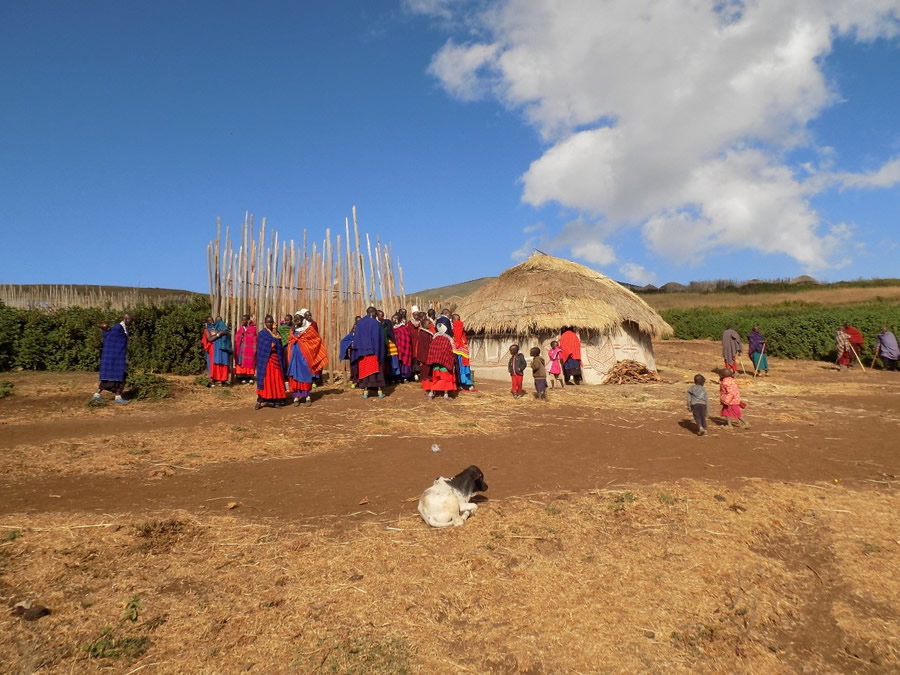
The Ngorongoro Conservation Area is unique because it is shared between wildlife and the Maasai people, who continue to live within its boundaries. Cultural visits to Maasai villages offer visitors a chance to learn about traditional lifestyles, livestock herding practices, and age-old customs.
Guests are welcomed with traditional dances, storytelling, and demonstrations of daily life, including cattle keeping and traditional housing. These experiences provide a deeper understanding of how the Maasai community coexists harmoniously with wildlife in one of the most unique conservation landscapes in the world.
Crater Rim Views and Scenic Photography
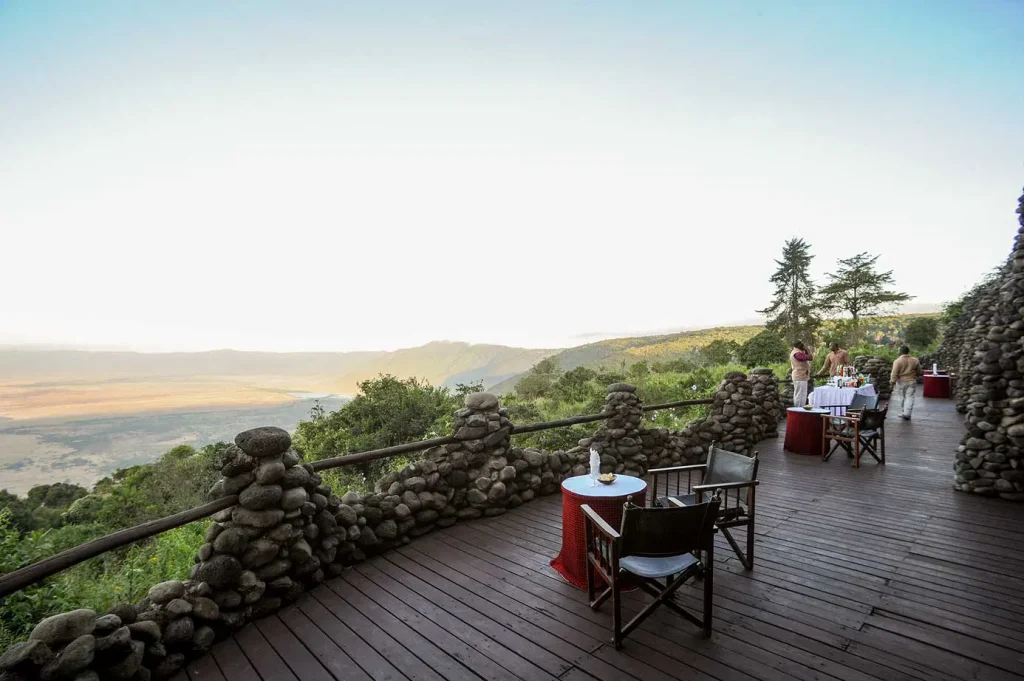
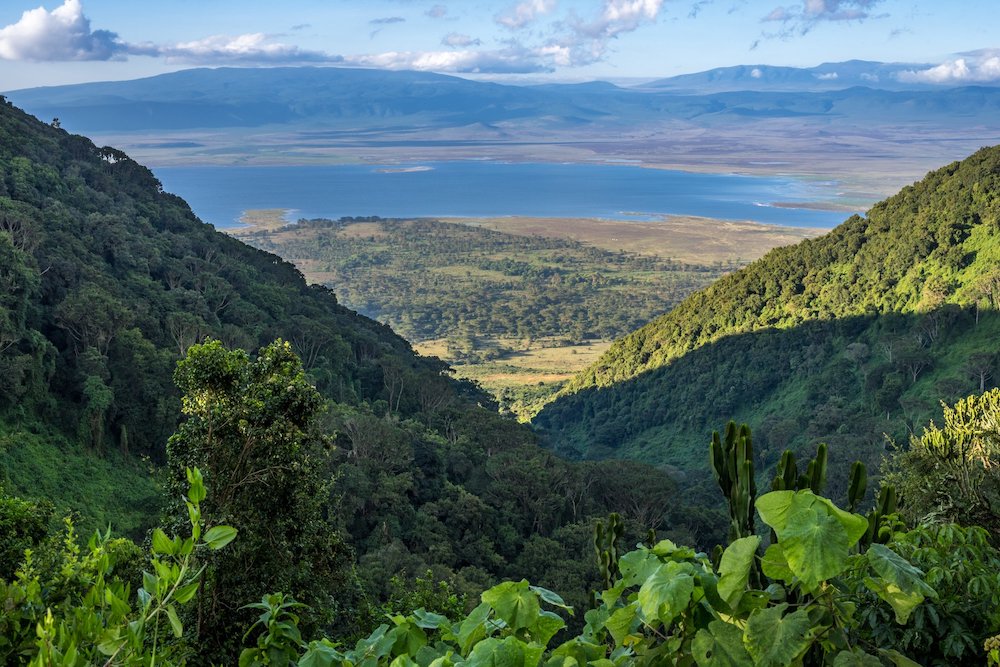
The Ngorongoro Crater rim offers some of the most breathtaking viewpoints in Africa. Standing at the edge of the crater, visitors are treated to panoramic views of the vast caldera stretching far below, often filled with mist in the early morning or glowing under golden sunlight.
Photography opportunities are exceptional, capturing sweeping landscapes, dramatic cloud formations, and wildlife scenes framed by volcanic walls. The contrast between the highland forests on the rim and the open crater floor below creates a visually stunning experience that is unmatched anywhere else in Tanzania.
Walking Safaris on the Crater Rim
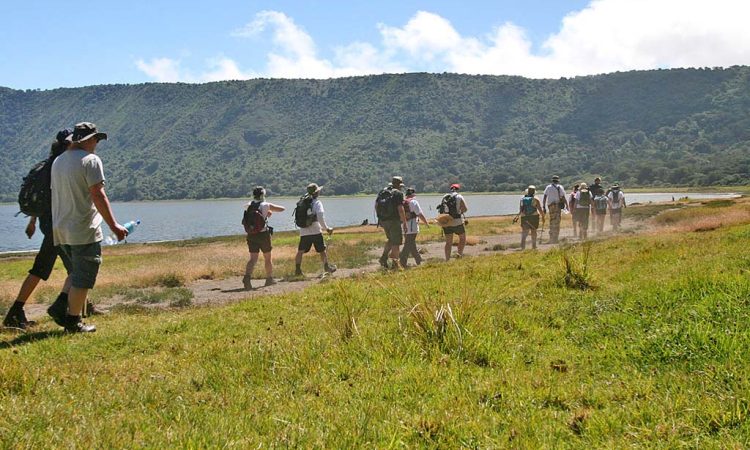
While walking is not permitted on the crater floor itself, guided walking safaris along the crater rim and surrounding highlands offer a peaceful and enriching experience. These walks allow visitors to explore montane forests, learn about local flora and fauna, and enjoy birdwatching in a quiet natural setting.
The fresh mountain air, combined with panoramic views into the crater, creates a reflective and immersive connection with nature that complements the game drive experience.
Visit to Olduvai Gorge
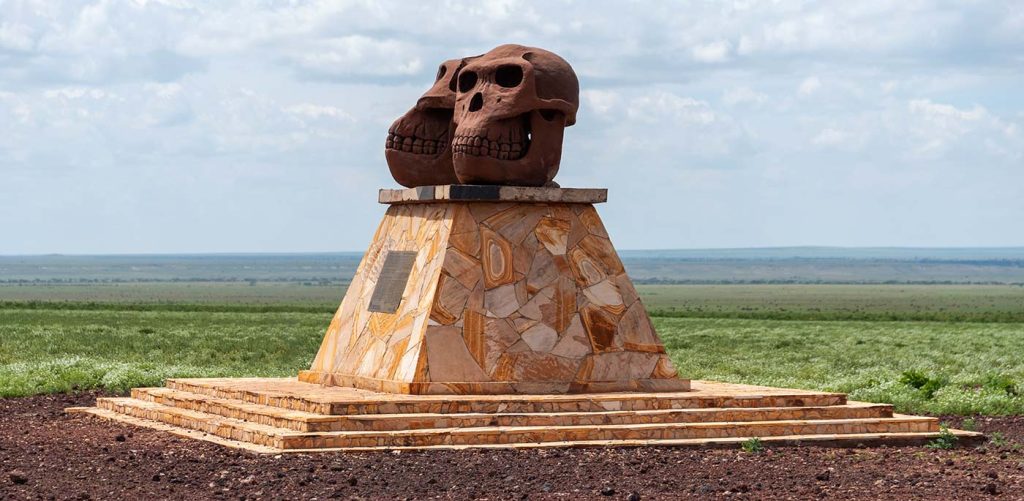
A visit to Olduvai Gorge, located within the Ngorongoro Conservation Area, adds a historical and archaeological dimension to the safari experience. Known as one of the most important paleoanthropological sites in the world, Olduvai Gorge has revealed some of the earliest evidence of human evolution.
Visitors can explore the museum and learn about ancient discoveries that have shaped our understanding of human history. This activity connects wildlife exploration with deep historical significance, making Ngorongoro not only a natural wonder but also a cultural and scientific treasure.
Related Safari Destinations
Serengeti National Park
The Serengeti is a UNESCO World Heritage Site and one of Africa’s most protected and celebrated wildlife areas
- Zone : Northern Circuits
- Destinations: Tanzania
Ngorongoro Crater
Ngorongoro Crater is one of the most extraordinary natural wonders in Africa and a UNESCO World Heritage Site
- Zone : Northern Circuits
- Destinations: Tanzania
Tarangire National Park
Tarangire National Park is one of Tanzania’s most remarkable safari destinations, situated within the northern safari circuit
- Zone : Northern Circuits
- Destinations: Tanzania