
Kilimanjaro National Park
Kilimanjaro National Park –The Roof of Africa Journey
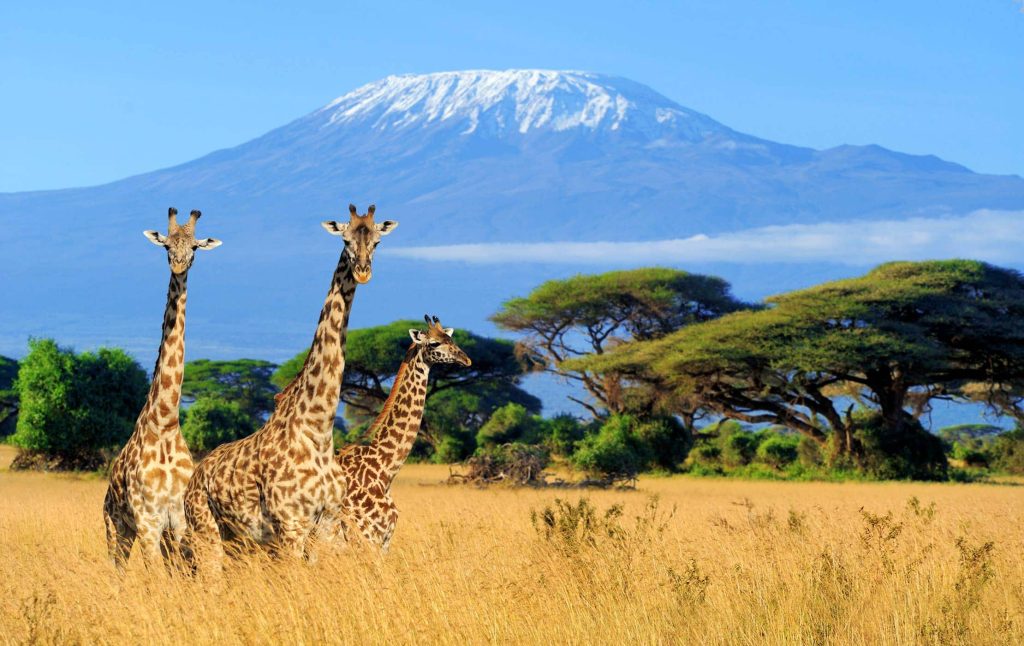
Mount Kilimanjaro stands as Africa’s highest peak at 5,895 meters and the tallest free-standing mountain in the world. Rising above the plains of northern Tanzania, Kilimanjaro is one of the most iconic natural landmarks on Earth and a dream destination for trekkers from across the globe.
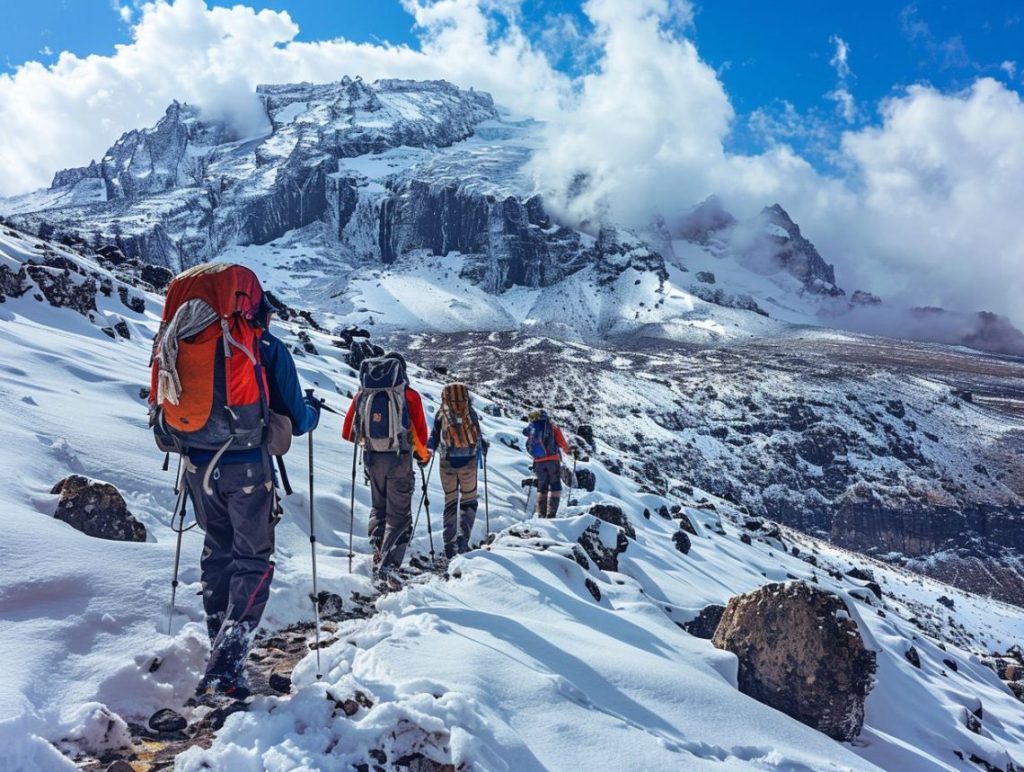
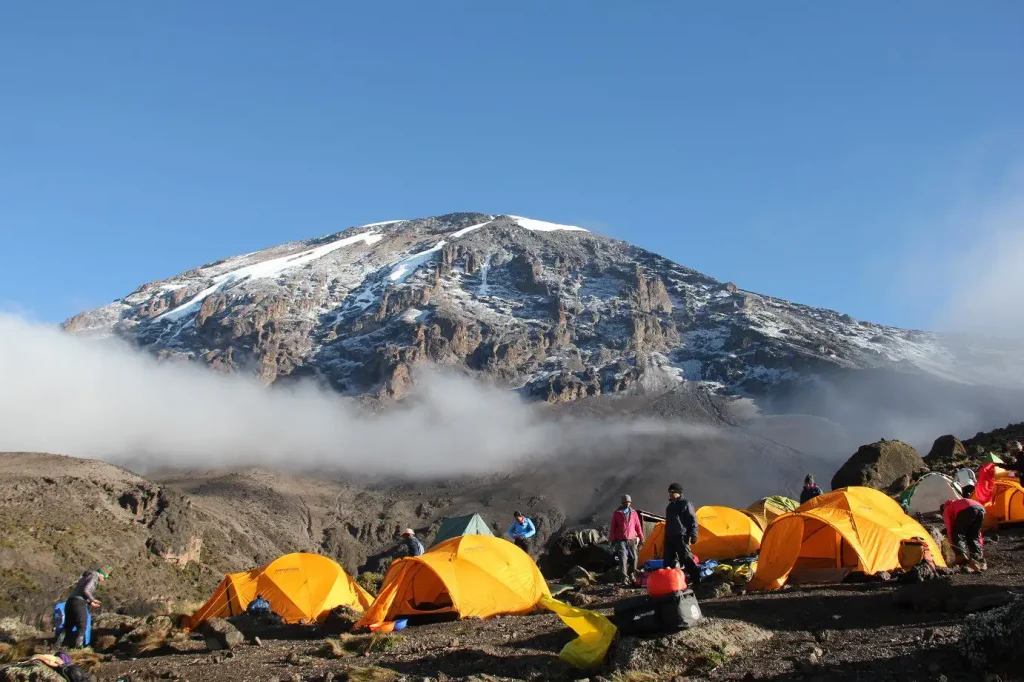
What makes Kilimanjaro truly unique is its accessibility. Unlike many high-altitude mountains, it does not require technical climbing skills, making it achievable for determined trekkers with proper preparation. The journey to the summit is a gradual ascent through five distinct ecological zones—lush rainforest, heath and moorland, alpine desert, and the icy Arctic summit zone.
Wildlife – Life Along the Lower Slopes
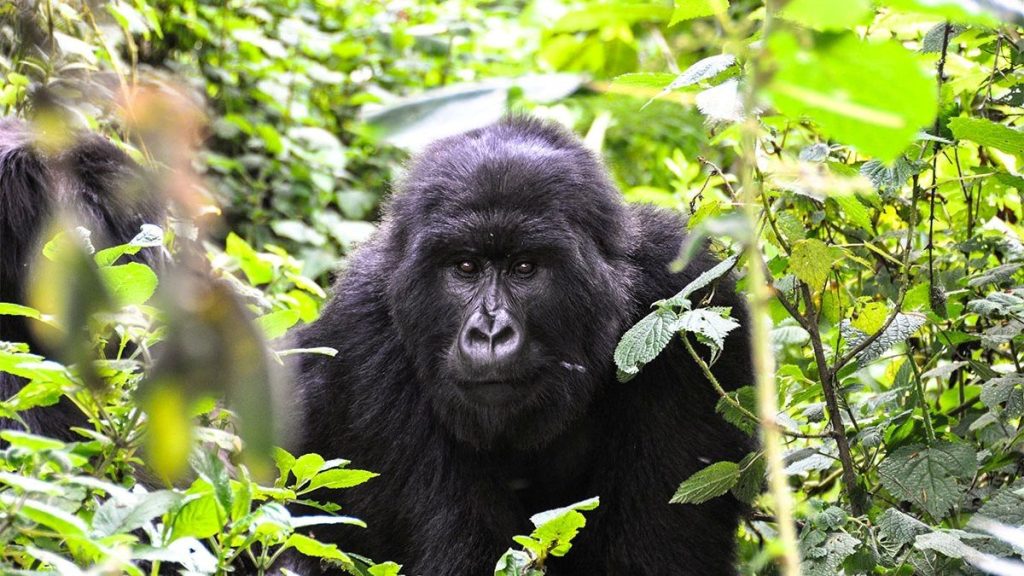
While Mount Kilimanjaro is primarily known for trekking, its lower slopes and forest zones support a rich variety of wildlife. The montane rainforest at the base of the mountain is home to species such as blue monkeys, black-and-white colobus monkeys, and bush babies, often seen moving through the canopy.
Larger animals such as elephants, buffaloes, and occasionally although sightings are less common due to dense vegetation. Small mammals like duikers and various bird-feeding species are more frequently encountered along the trails.
As trekkers ascend beyond the forest zone, wildlife becomes less visible due to the harsh conditions, but the early stages of the climb offer a rich and vibrant natural environment that adds depth to the trekking experience.
Birdlife – A Mountain of Avian Diversity
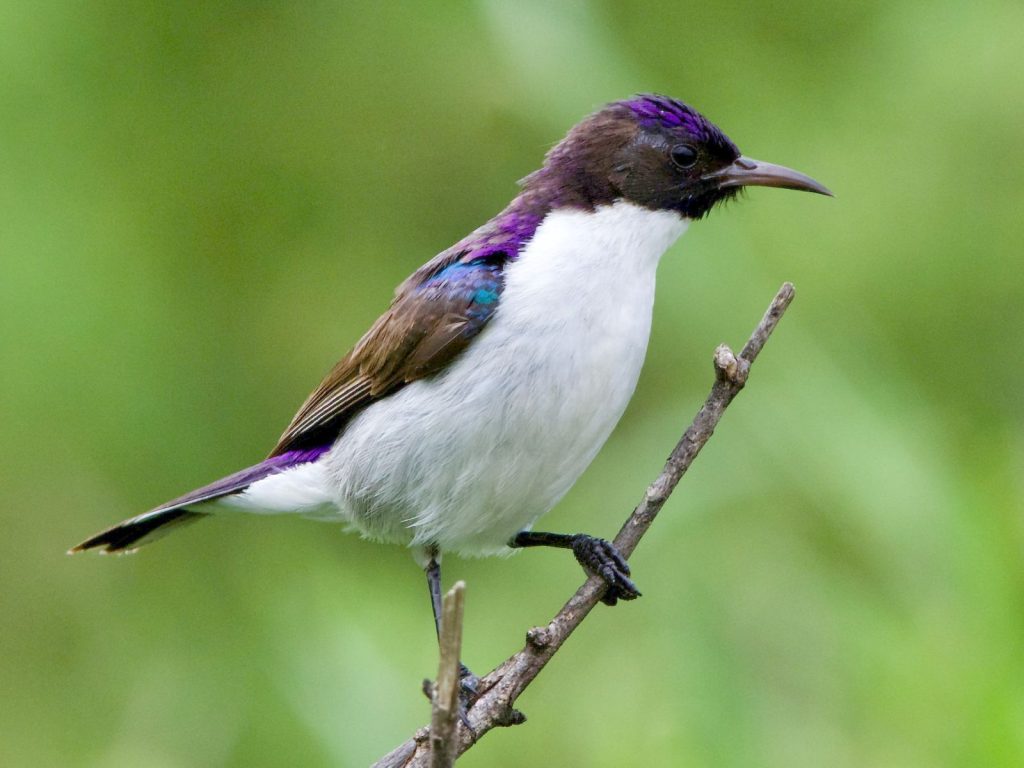
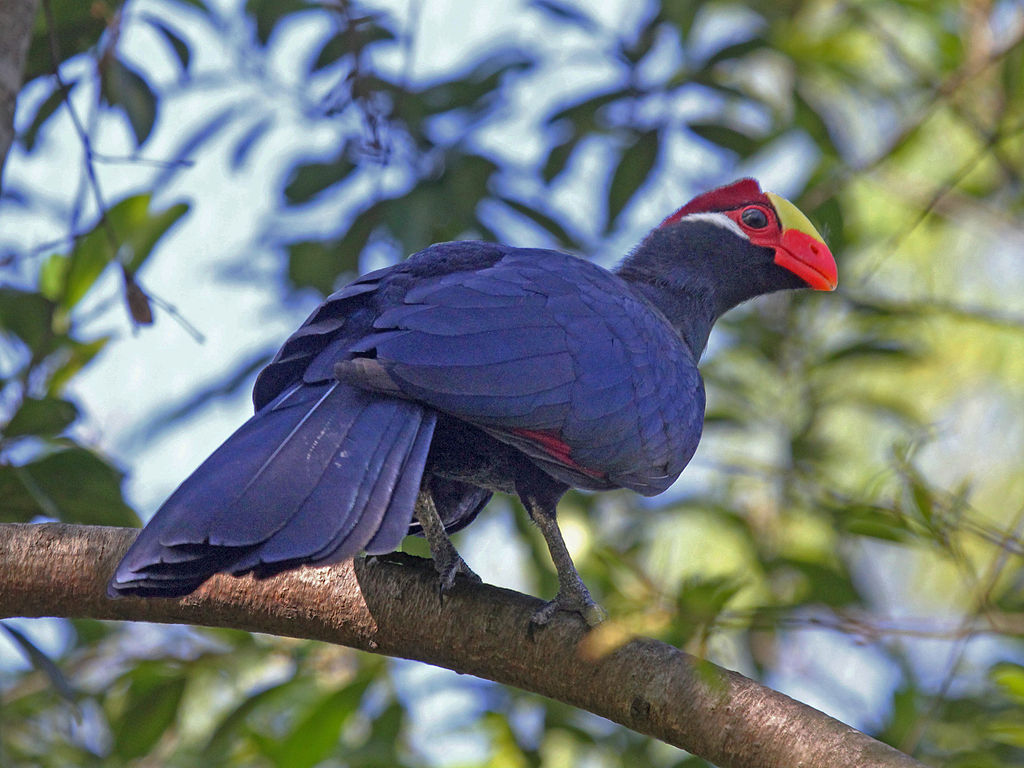
Mount Kilimanjaro hosts a diverse range of bird species, particularly within its forest and heath zones. The lower slopes are rich in birdlife, with colorful species such as turacos, hornbills, and sunbirds commonly seen along trekking routes.
The forest canopy is alive with sound, offering sightings of species like the Hartlaub’s turaco and silvery-cheeked hornbill. As altitude increases, birdlife becomes more specialized, with hardy species adapted to cooler and more open environments.
Raptors such as augur buzzards are often seen soaring along the mountain slopes, taking advantage of rising thermal currents. While bird activity decreases at higher altitudes, the lower and mid-level zones provide rewarding opportunities for bird enthusiasts.
January to March and June to October
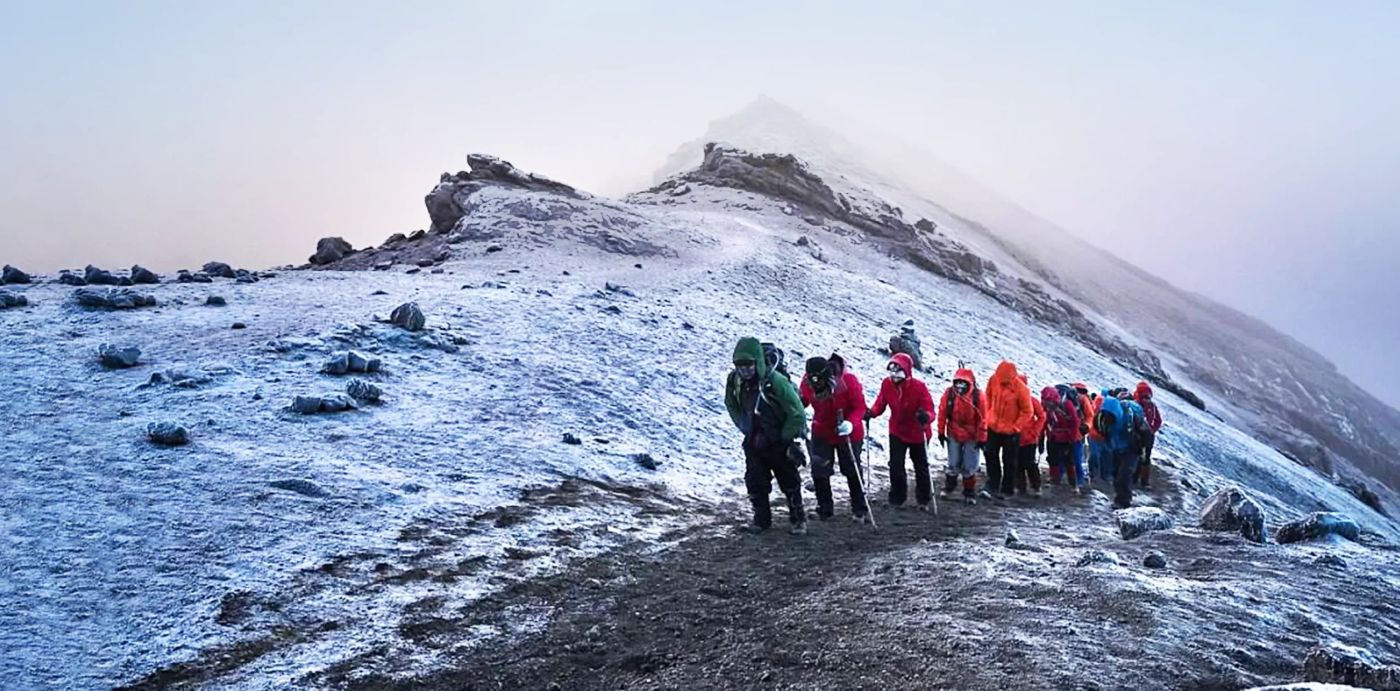
The main climbing seasons are January to March and June to October, when weather conditions are more stable, skies are clearer, and trails are less slippery. These months offer the best chances for successful summit attempts and clear views from the top.
The rainy seasons (April to May and November)
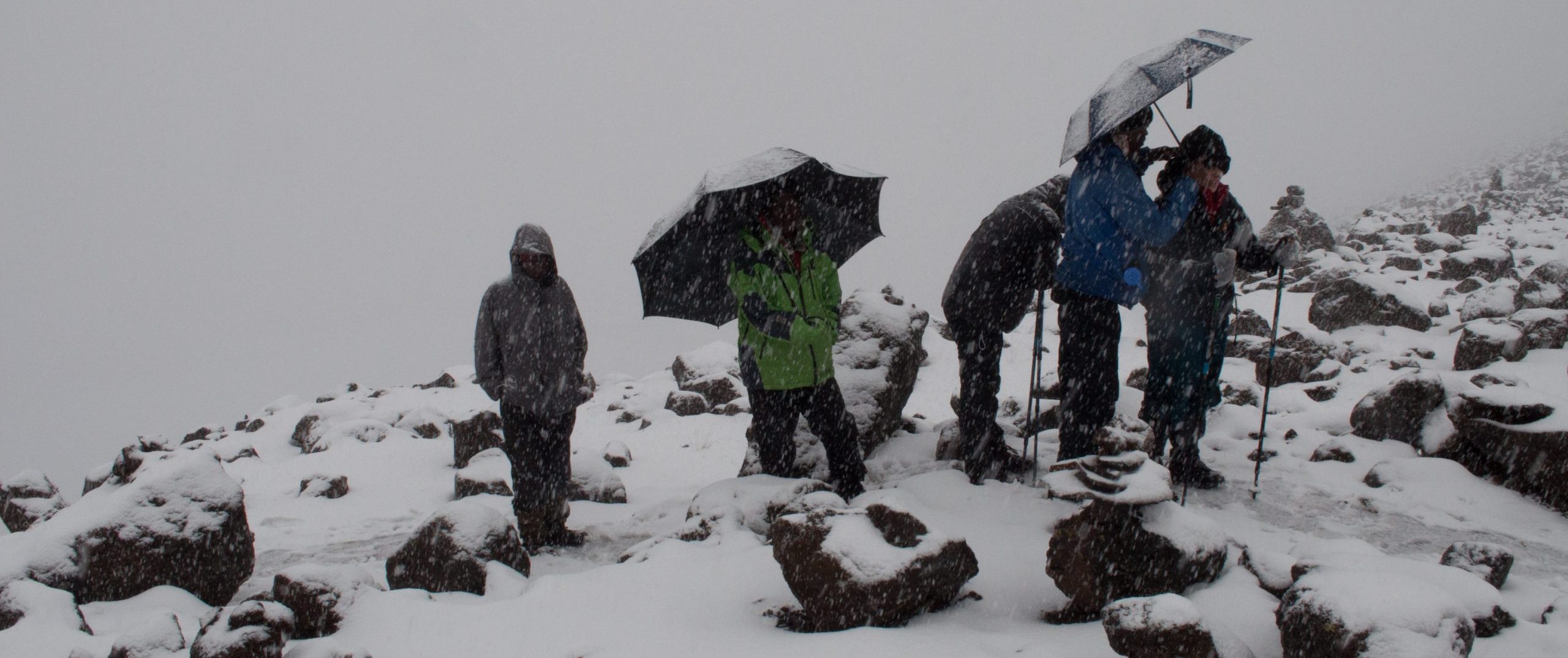
bring heavier rainfall, especially in the forest zone, making trails muddy and more challenging. However, these periods offer fewer crowds and lush green scenery for those seeking a quieter experience.
How to Get to Mount Kilimanjaro
Mount Kilimanjaro is located in Northern Tanzania and is easily accessible from major travel hubs.
By air, travelers arrive at Kilimanjaro International Airport, which is the main gateway for climbers. From the airport, it is a short drive to Moshi or Arusha, where most trekking expeditions begin.
By road, Moshi town serves as the primary base for Kilimanjaro climbs, located at the foot of the mountain. All trekking routes begin at designated park gates, which are reached by vehicle transfers from Moshi or Arusha.
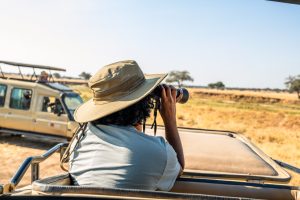
Eco Dream Safari
Safari Specialist
Why Eco Dream
- Responsible Luxury & Comfort
- Personalized Safari Experience
- Authentic Wildlife Experience
Trekking Activities on Mount Kilimanjaro
Guided Trekking Routes – Journey Through Changing Landscapes
Climbing Mount Kilimanjaro involves choosing from several established routes, each offering a unique experience in terms of scenery, duration, and acclimatization. Routes such as Machame, Lemosho, Marangu, Rongai, and Northern Circuit take trekkers through diverse landscapes, from dense rainforest to open alpine desert. Guided by experienced mountain teams, trekkers move gradually, allowing time to adapt to altitude while enjoying the beauty of the mountain. Each route is carefully designed to balance challenge and safety, ensuring a rewarding journey toward the summit.
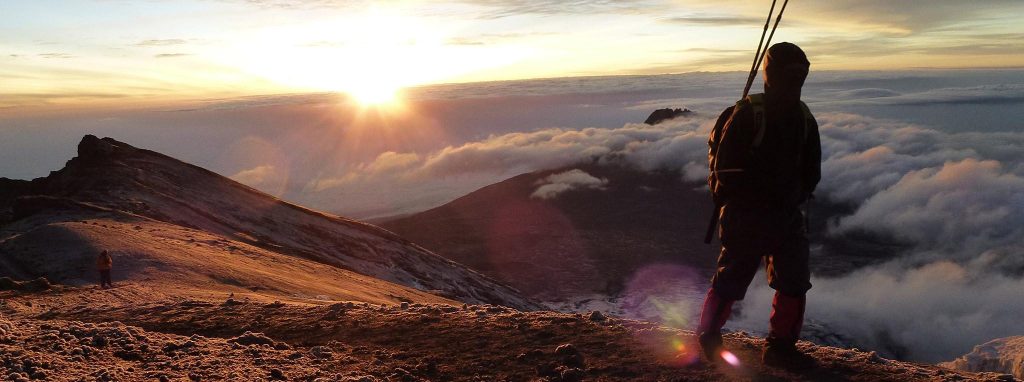
Summit Attempt – Reaching Uhuru Peak
The summit push is the most challenging and rewarding part of the Kilimanjaro experience. Typically starting at midnight, trekkers ascend slowly under the stars, guided by headlamps and determination.
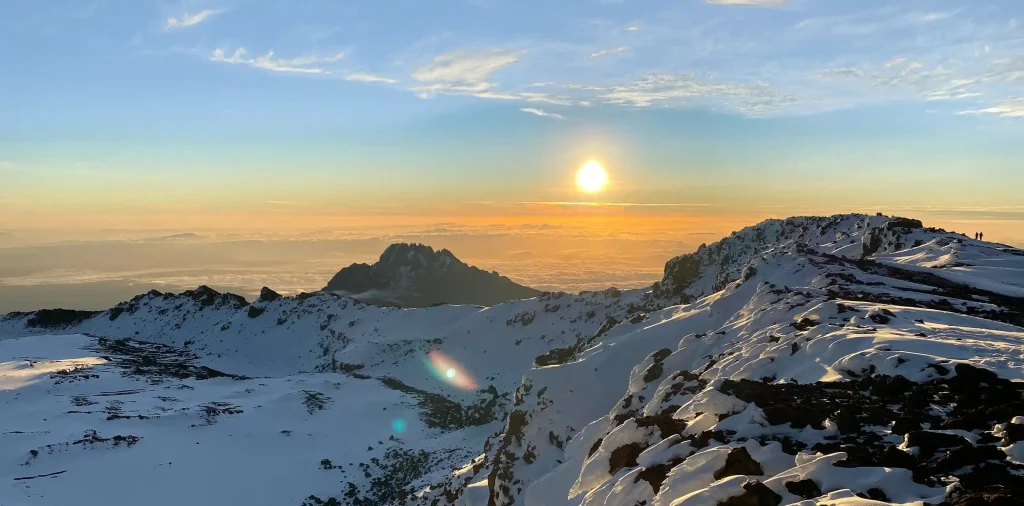
As dawn approaches, the landscape reveals glaciers and vast views stretching across Africa. Reaching Uhuru Peak at sunrise is an unforgettable moment, symbolizing achievement, resilience, and the fulfillment of a lifelong dream.
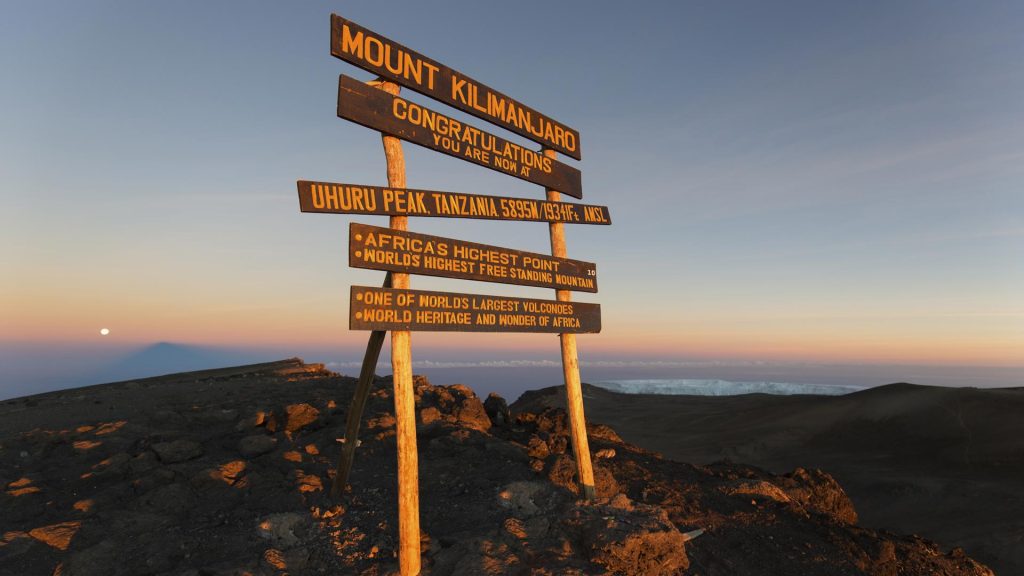
Acclimatization Hikes – Essential for Success
Acclimatization is a key part of Kilimanjaro trekking, helping the body adjust to decreasing oxygen levels at higher altitudes. Trekkers follow the principle of “climb high, sleep low,” taking short hikes during the day before descending slightly to rest. T
hese gradual adjustments increase the chances of reaching the summit successfully while reducing the risk of altitude sickness. The process also allows trekkers to explore surrounding landscapes in greater detail.
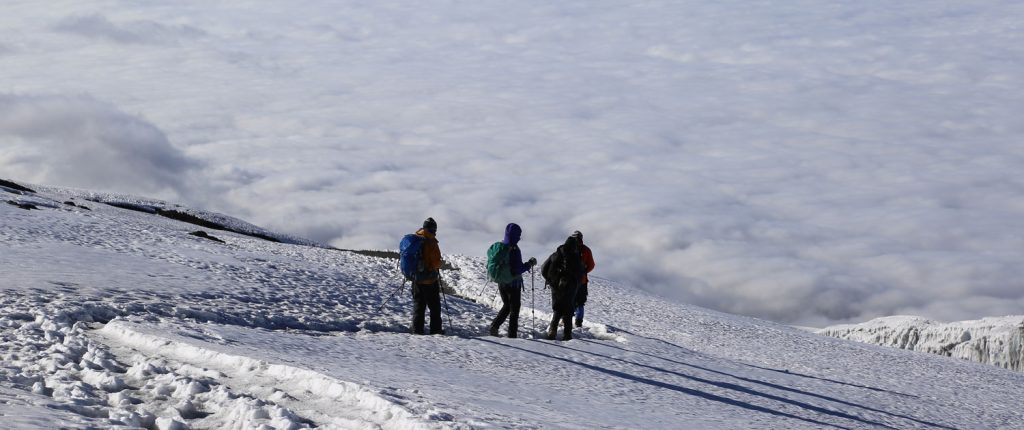
Nature Walks in the Rainforest – Discover the Lower Slopes
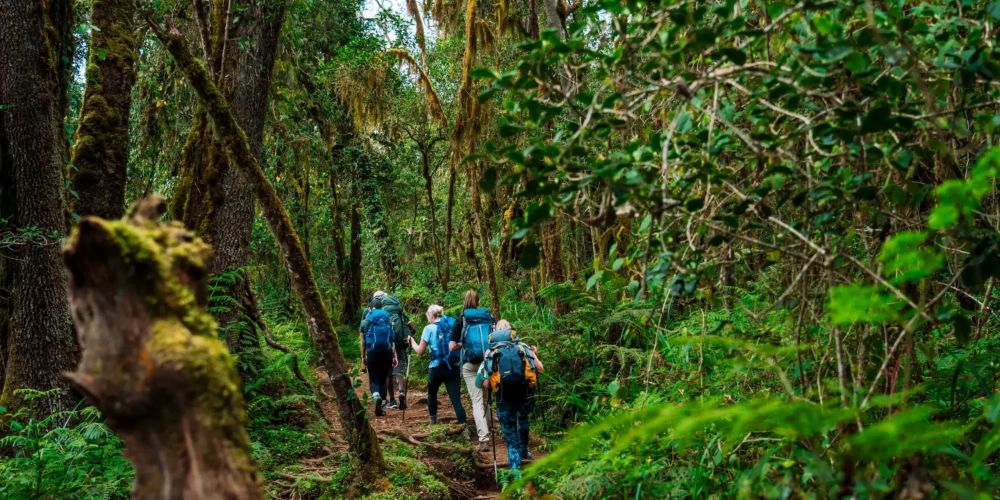
The initial stages of the climb pass through lush rainforest, offering a completely different experience from the higher altitudes.
These sections feel like guided nature walks, where trekkers encounter rich vegetation, waterfalls, and wildlife such as monkeys and colorful birds. The forest zone is vibrant and alive, providing a gentle and scenic introduction to the mountain.
Cultural Experiences – Life Around Kilimanjaro
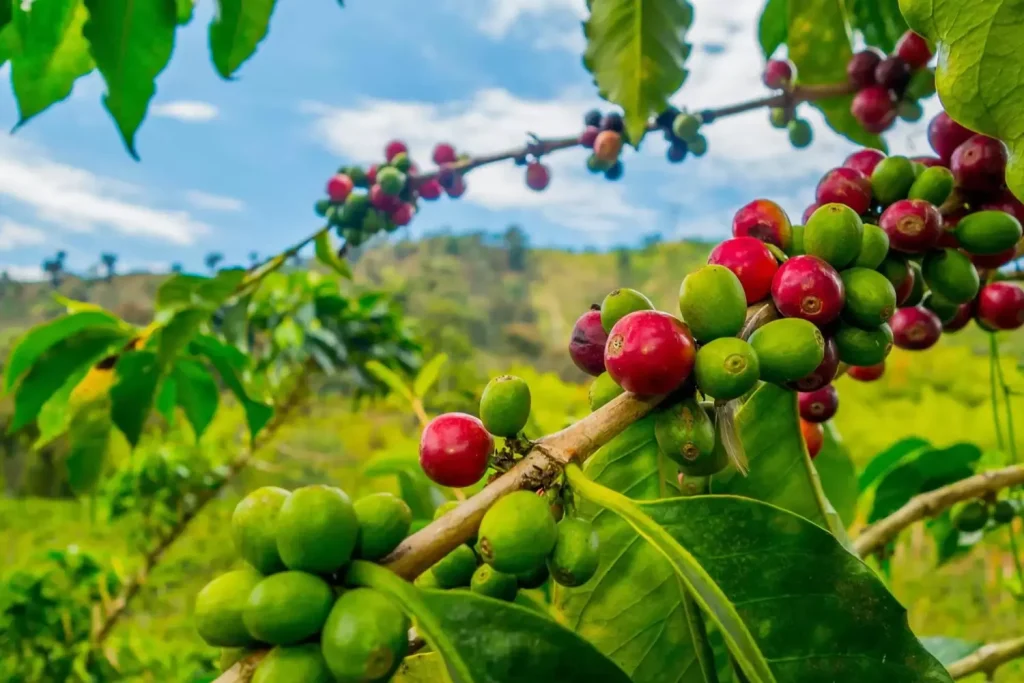
Before or after the climb, visitors can explore the cultural richness of the Kilimanjaro region. Interactions with local Chagga communities offer insight into traditional lifestyles, coffee farming, and mountain heritage. These cultural experiences provide a deeper connection to the region and highlight the human stories surrounding the mountain.
Photography and Scenic Views – Capturing the Mountain’s Beauty
Mount Kilimanjaro offers extraordinary photography opportunities at every stage of the climb. From misty rainforest trails to open ridges and glacial summit views, the changing landscapes create powerful visual contrasts. Sunrise and sunset moments are particularly striking, with golden light illuminating the mountain slopes and clouds below. Every stage of the trek presents a new perspective, making Kilimanjaro a visually unforgettable destination.
Related Safari Destinations
Serengeti National Park
The Serengeti is a UNESCO World Heritage Site and one of Africa’s most protected and celebrated wildlife areas
- Zone : Northern Circuits
- Destinations: Tanzania
Ngorongoro Crater
Ngorongoro Crater is one of the most extraordinary natural wonders in Africa and a UNESCO World Heritage Site
- Zone : Northern Circuits
- Destinations: Tanzania
Tarangire National Park
Tarangire National Park is one of Tanzania’s most remarkable safari destinations, situated within the northern safari circuit
- Zone : Northern Circuits
- Destinations: Tanzania