
Lake Manyara National Park
Lake Manyara National Park – The Jewel of the Rift Valley Escarpment
Lake Manyara National Park is one of Tanzania’s most scenic and ecologically diverse safari destinations, located at the base of the dramatic Great Rift Valley escarpment. Despite being relatively small compared to other northern circuit parks, it offers an impressive variety of landscapes and wildlife experiences within a compact area.
The park is defined by its striking contrasts—lush groundwater forests, open floodplains, acacia woodlands, hot springs, and the vast alkaline Lake Manyara itself. This combination creates a rich ecological mosaic that supports a wide range of wildlife and bird species.
Wildlife
Lake Manyara National Park is known for its surprising concentration of wildlife in a relatively small area. The park’s diverse habitats support a wide range of species, making it an excellent introduction to Tanzania’s safari experience.
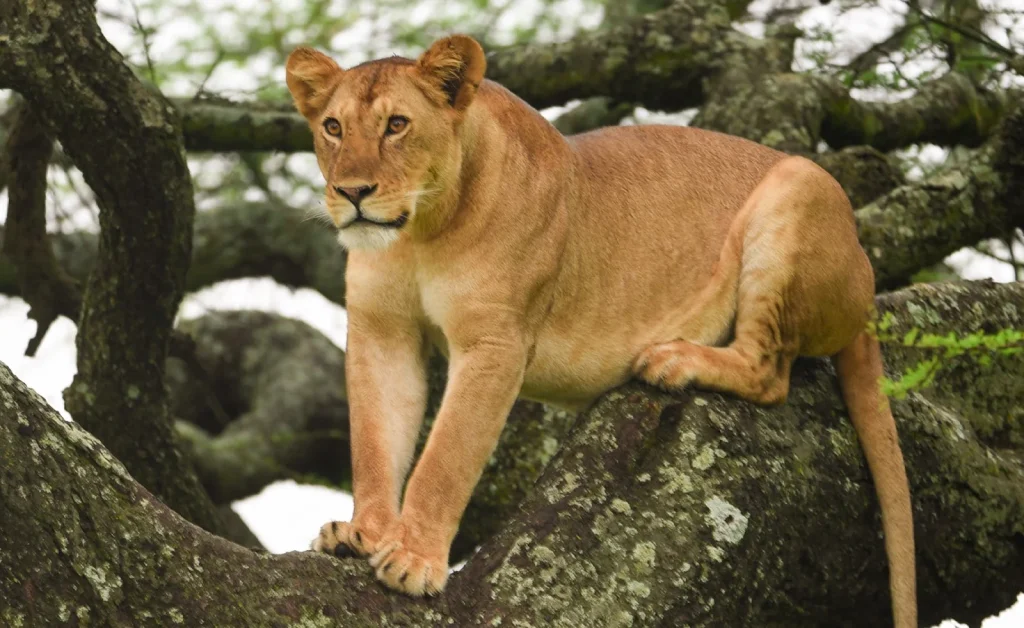
One of the park’s most famous attractions is its population of tree-climbing lions, a rare behavior seen in only a few places in Africa.
These lions are often spotted resting on acacia branches during the heat of the day, offering unique photographic opportunities.
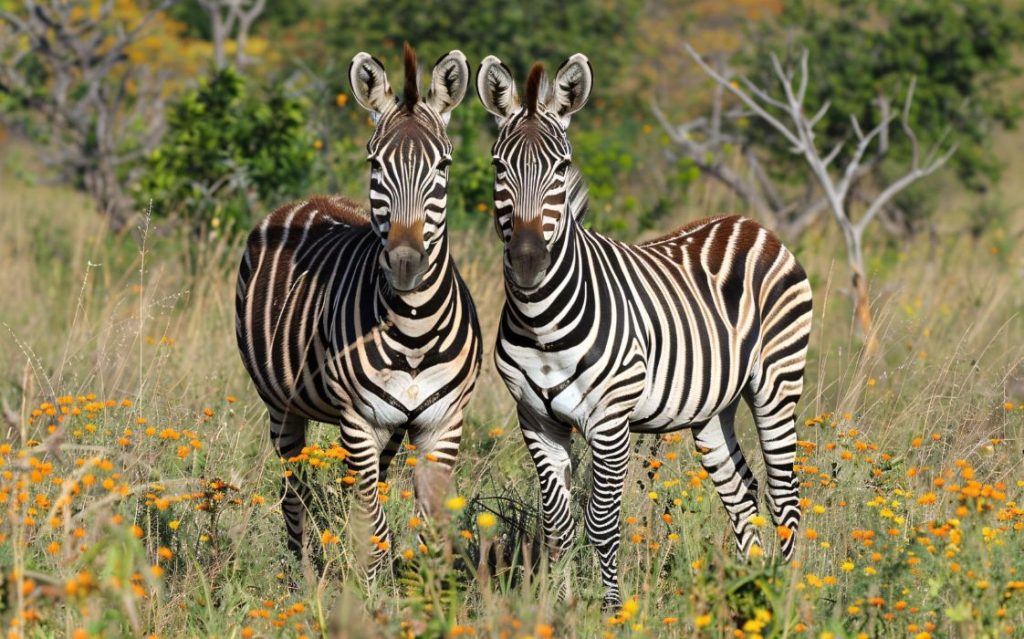
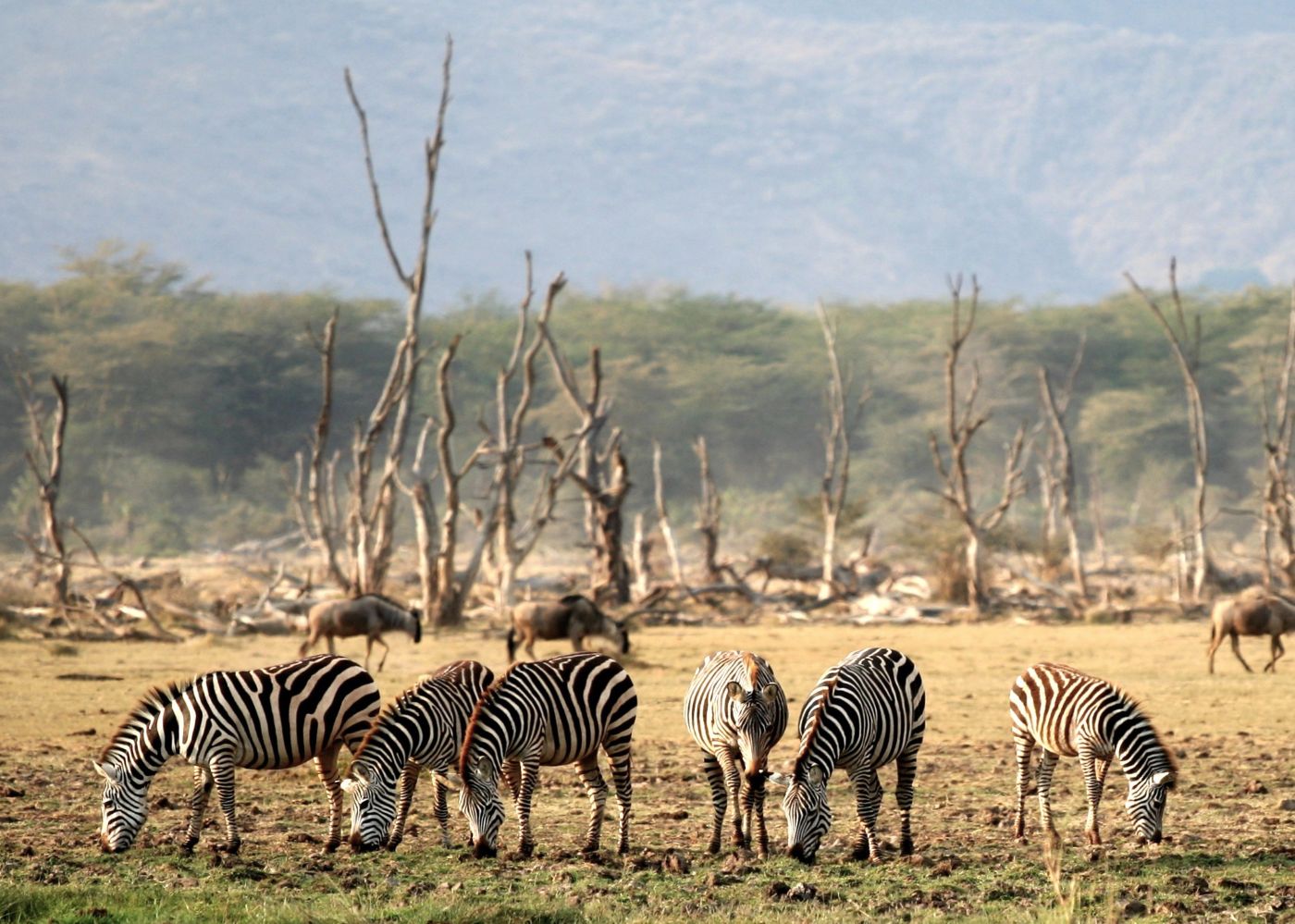
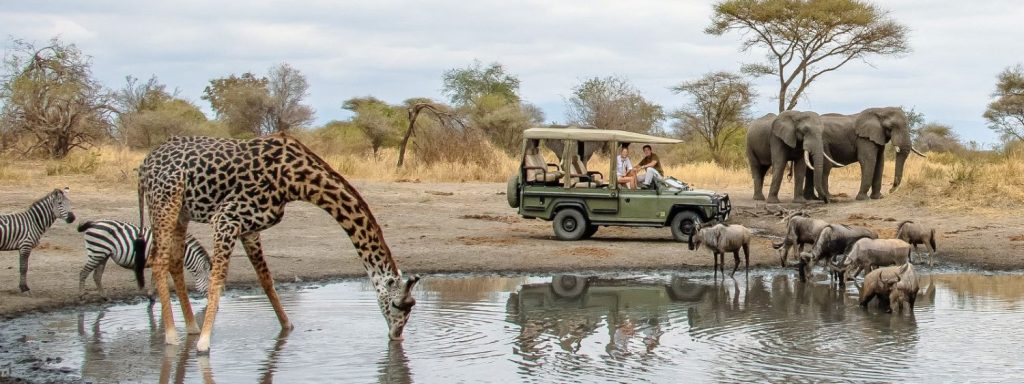
Large mammals such as elephants, buffaloes, giraffes, and zebras are commonly seen moving through the groundwater forests and open plains.
The dense forest areas near the base of the escarpment are particularly rich in elephant activity, where herds quietly move through thick vegetation.
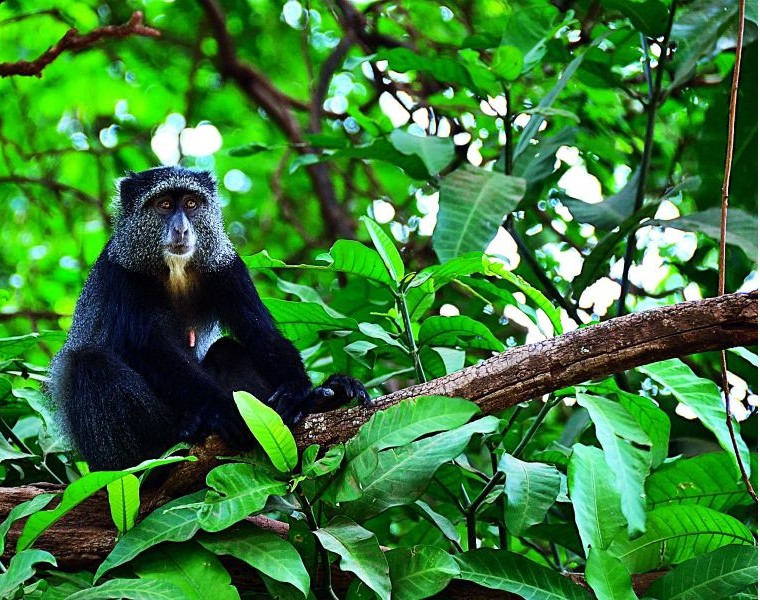
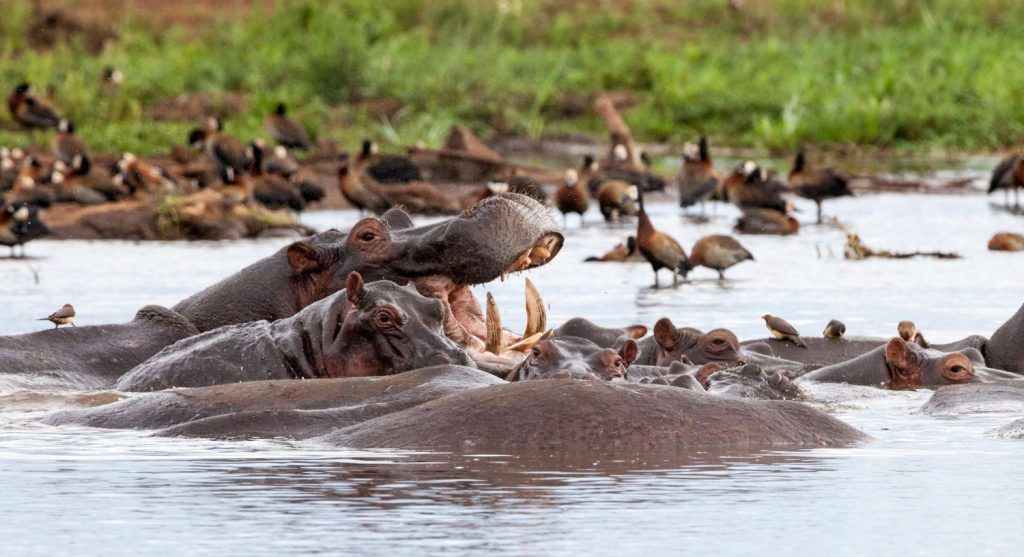
Other wildlife includes hippos that gather in large pools near the lake, as well as warthogs, impalas, waterbucks, and blue monkeys. The park also hosts smaller nocturnal species such as civets and genets, which contribute to its ecological diversity.
Although predators are less concentrated compared to larger parks like Serengeti, lions remain the dominant carnivore, while leopards are occasionally spotted in forested areas. The overall wildlife experience is intimate and varied, with animals often appearing close to the road due to the park’s narrow ecological corridors.
Birdlife
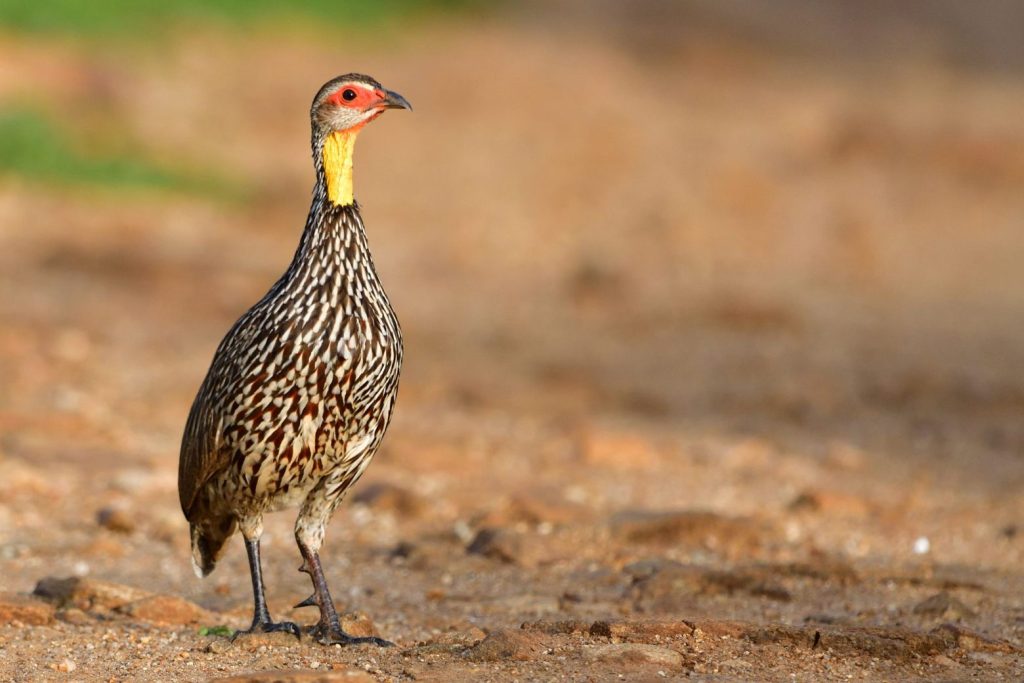
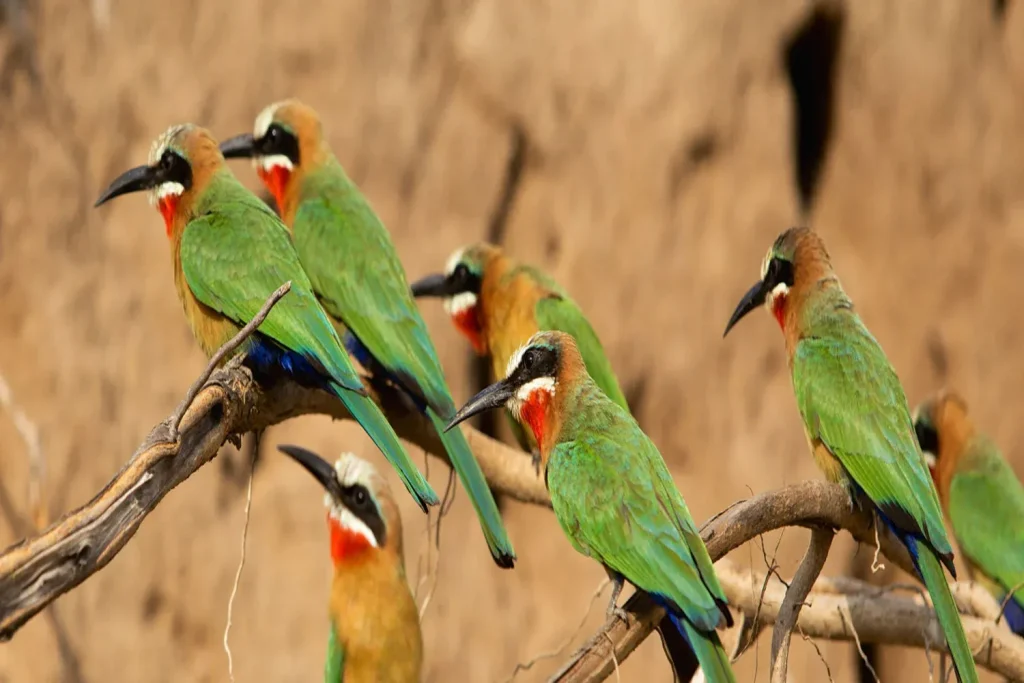
Lake Manyara National Park is one of the best birdwatching destinations in East Africa, with over 400 recorded bird species. The combination of lake shores, wetlands, forests, and savannah creates an ideal environment for both resident and migratory birds.
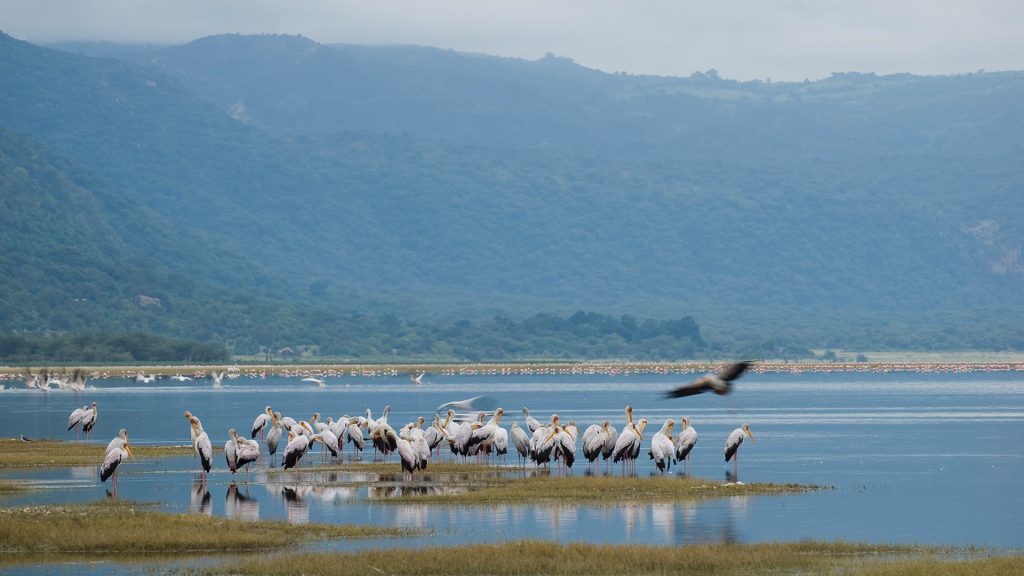
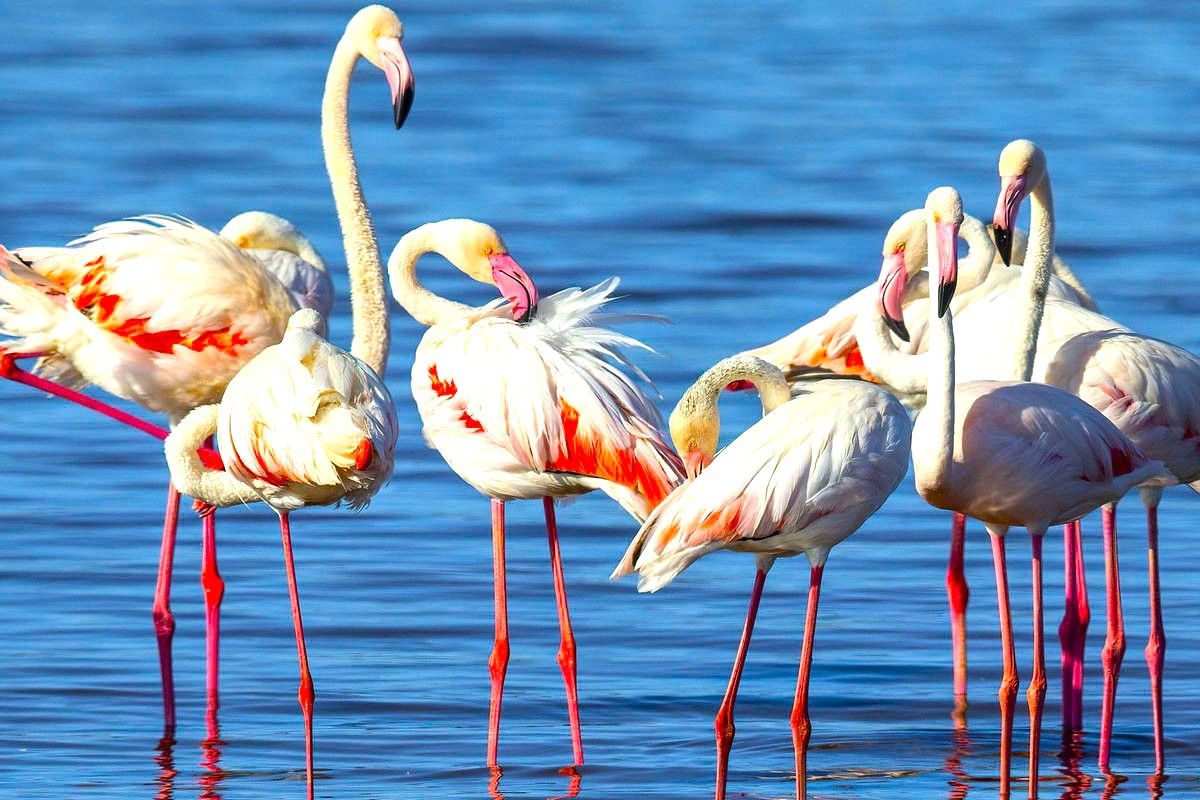
The alkaline waters of Lake Manyara attract thousands of flamingos, which gather in large flocks along the shoreline, creating a stunning pink hue across the lake during certain seasons. Pelicans, cormorants, storks, and herons are also frequently seen feeding in shallow waters.
The park’s groundwater forests are home to a rich variety of forest species, including turacos, hornbills, and the striking Narina trogon. Colorful sunbirds and bee-eaters add vibrancy to the canopy, while raptors such as fish eagles and augur buzzards dominate the skies.
During the wet season, migratory birds from Europe and Asia significantly increase the diversity, making Lake Manyara a dynamic birding hotspot throughout the year. The close proximity of habitats allows visitors to observe multiple bird species within a short time, making it ideal for both beginner and expert birdwatchers.
The dry season (June to October)
Is considered the best time for general wildlife viewing, as animals are easier to spot due to thinner vegetation and limited water sources. This is also a great time for observing large mammals and enjoying clear views of the escarpment and lake.
The wet season (November to May)
Transforms the park into a lush green paradise, with abundant birdlife, blooming landscapes, and excellent photography conditions. Flamingo numbers at the lake are often higher during this period, and migratory birds are present in large numbers.
How to Get There
By road, the park is approximately 2 to 2.5 hours’ drive from Arusha, covering around 120 kilometers. The journey passes through the scenic Great Rift Valley escarpment, coffee plantations, and rural villages, offering beautiful landscapes along the way.
By air, travelers can fly into Lake Manyara Airstrip from Arusha, Serengeti, or other regional airstrips. From the airstrip, the park entrance is only a short drive away, making it a convenient option for luxury safari itineraries.
Eco Dream Safari
Safari Specialist
Why Eco Dream
- Responsible Luxury & Comfort
- Personalized Safari Experience
- Authentic Wildlife Experience
Activities in Lake Manyara National Park
Game Drives
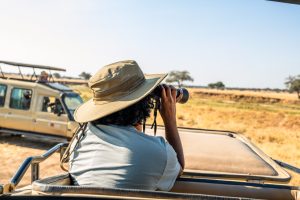
Game drives in Lake Manyara National Park offer a rich and varied safari experience within a relatively small area. The park’s compact layout allows visitors to explore multiple ecosystems in a single drive, from dense groundwater forests to open lake shores and acacia woodlands.
Early morning and late afternoon game drives are particularly rewarding, as wildlife is most active during these cooler hours. Visitors may encounter elephants moving quietly through the forest, giraffes browsing on acacia trees, or hippos submerged in pools near the lake.
Bird Watching
A hot air balloon safari in Serengeti delivers a unique perspective of the park. Flights begin at sunrise, offering breathtaking aerial views of wildlife, rivers, and open grasslands.
From above, you may witness herds of wildebeest, zebras, and even predators in motion. The experience ends with a bush breakfast in the wild, making it one of the most exclusive safari activities in Tanzania.
Canoeing on Lake Manyara
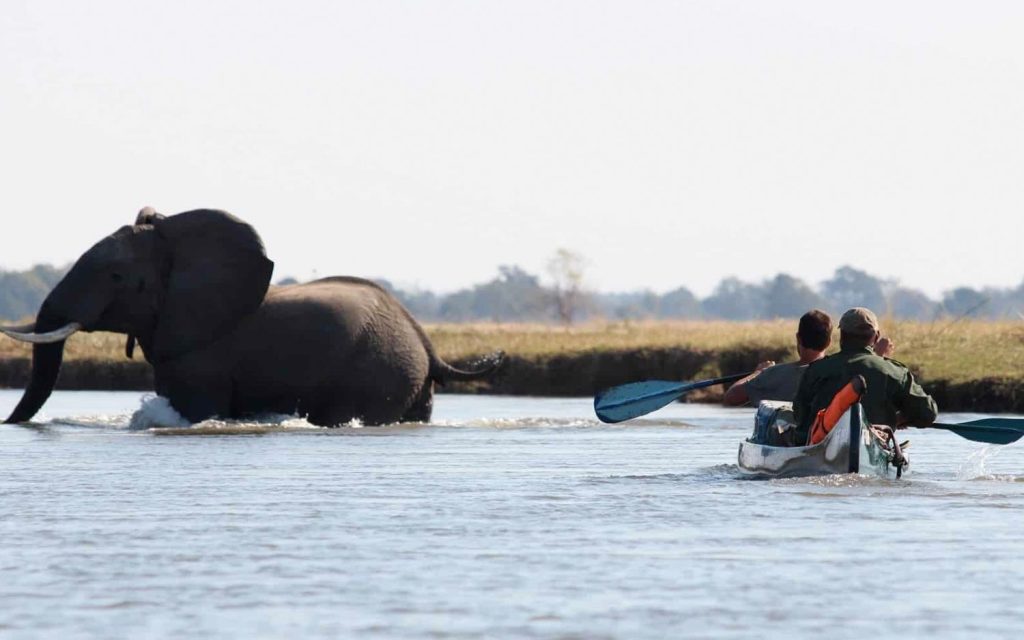
When water levels allow, canoeing on Lake Manyara offers a peaceful and immersive way to experience the park from a different perspective. Paddling along the shoreline provides close encounters with hippos, waterbirds, and other aquatic species while enjoying panoramic views of the Rift Valley escarpment. The calmness of the lake combined with the surrounding natural beauty creates a serene and unforgettable safari experience that contrasts with traditional game drives.
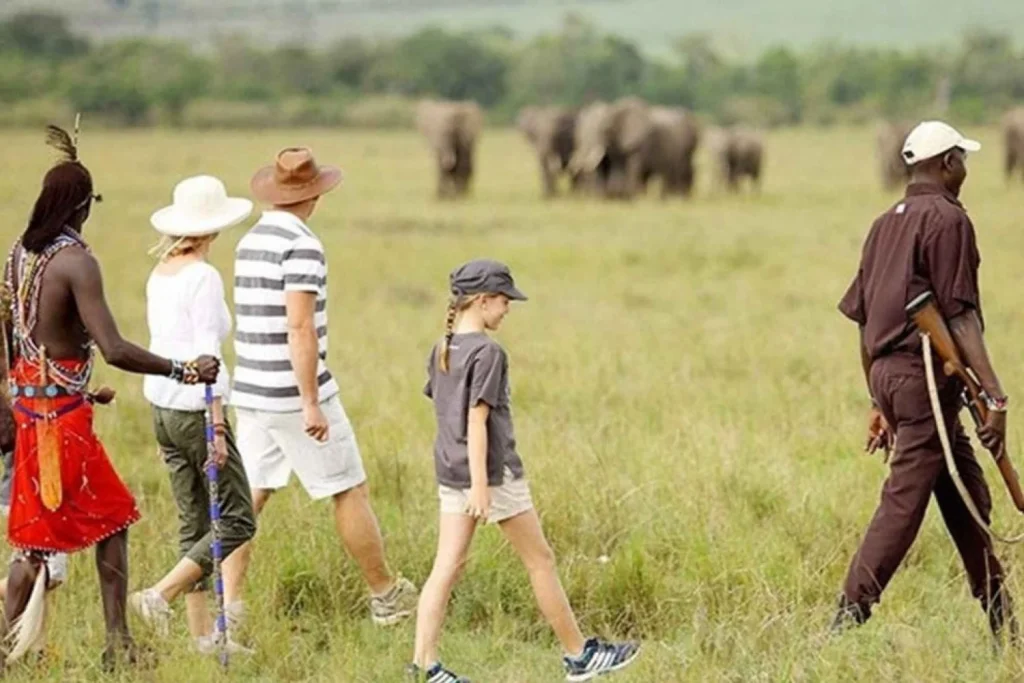
Walking Safaris
Walking safaris in the areas surrounding Lake Manyara allow visitors to explore the park’s rich ecosystems on foot. Guided by experienced rangers, these walks focus on the finer details of nature, including plant life, animal tracks, insects, and bird calls. The groundwater forest and escarpment edges offer particularly rewarding experiences, where visitors can enjoy close-up encounters with smaller wildlife and appreciate the intricate balance of the ecosystem.
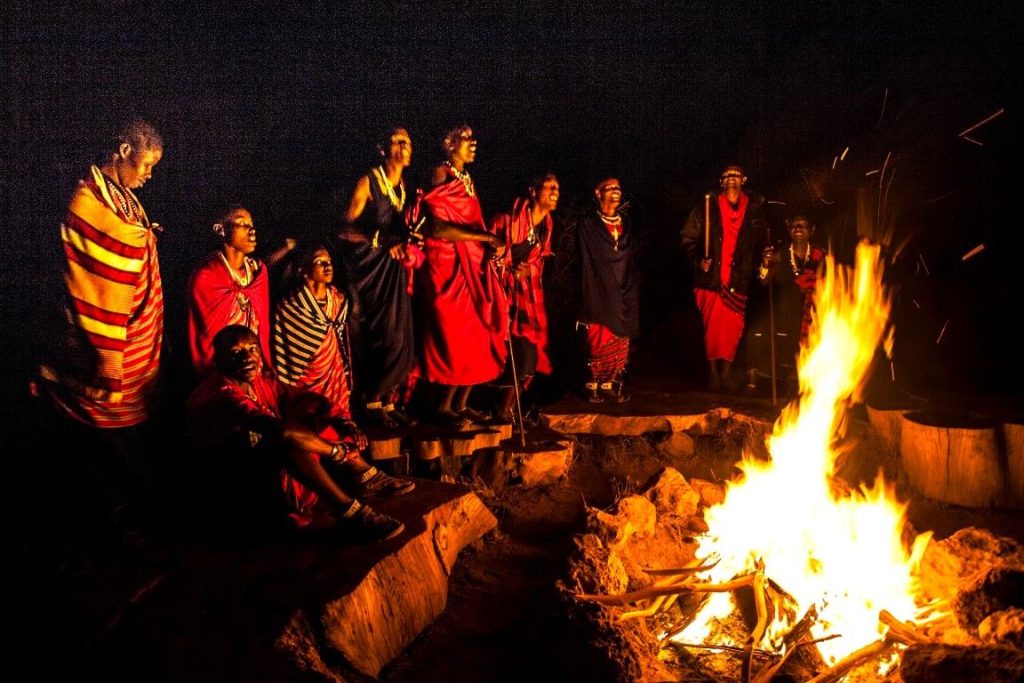
Cultural Visits
Cultural visits near Lake Manyara provide insight into the traditions and daily lives of local communities living around the park. Visitors can interact with the Maasai and other ethnic groups, learning about traditional practices, livestock keeping, crafts, and cultural heritage. These experiences offer a deeper understanding of how local communities coexist with wildlife and natural resources, adding cultural depth to the safari journey.
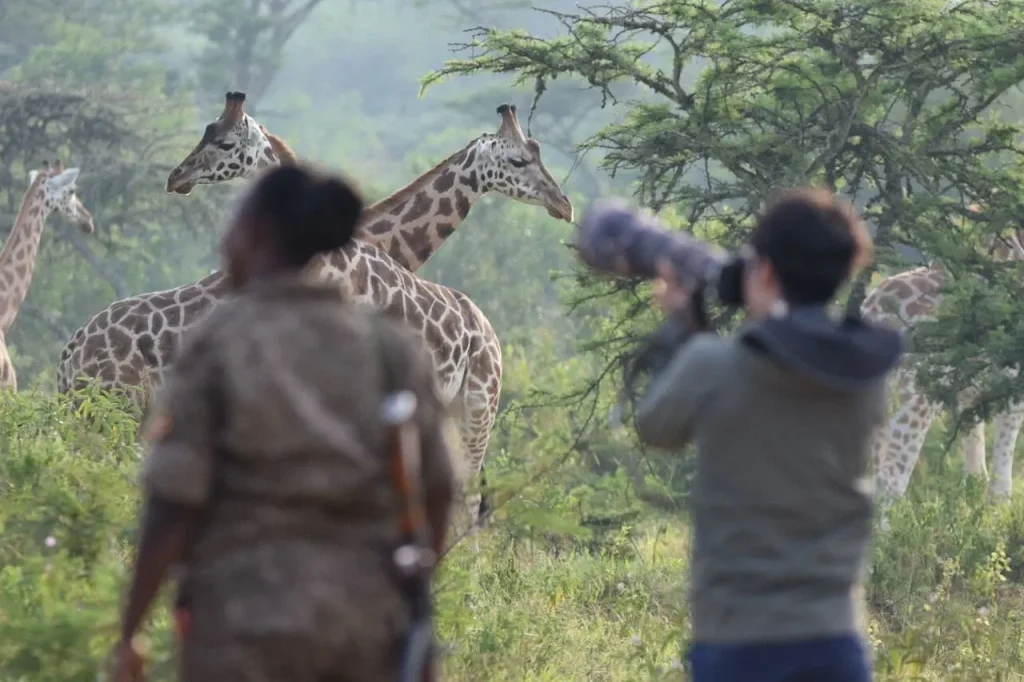
Photography Safaris
Lake Manyara National Park is a highly photogenic destination, offering a wide range of subjects for photographers. The dramatic Rift Valley escarpment, reflective lake surfaces, dense forests, and abundant wildlife create endless photographic opportunities. Flamingos along the shoreline, elephants moving through misty forests, and lions resting in trees all contribute to powerful visual storytelling. The park’s compact size allows photographers to capture diverse scenes within a single day, making it ideal for both amateur and professional wildlife photography.
Related Safari Destinations
Serengeti National Park
The Serengeti is a UNESCO World Heritage Site and one of Africa’s most protected and celebrated wildlife areas
- Zone : Northern Circuits
- Destinations: Tanzania
Ngorongoro Crater
Ngorongoro Crater is one of the most extraordinary natural wonders in Africa and a UNESCO World Heritage Site
- Zone : Northern Circuits
- Destinations: Tanzania
Tarangire National Park
Tarangire National Park is one of Tanzania’s most remarkable safari destinations, situated within the northern safari circuit
- Zone : Northern Circuits
- Destinations: Tanzania