
Tarangire National Park
The Timeless Wilderness of Baobabs and Rivers
Tarangire National Park is one of Tanzania’s most remarkable safari destinations, situated within the northern safari circuit and easily accessible from Arusha. It is named after the Tarangire River, which flows through the park and becomes a vital water source during the dry season, attracting an extraordinary concentration of wildlife from surrounding ecosystems.
The park is defined by its iconic African scenery—vast open savannahs, seasonal wetlands, acacia woodlands, rocky hills, and ancient baobab trees that rise dramatically above the landscape. These baobabs, some believed to be more than a thousand years old, create a surreal and timeless atmosphere that distinguishes Tarangire from other parks in Tanzania.
Wildlife A Stronghold of Elephants and Big Game Diversity
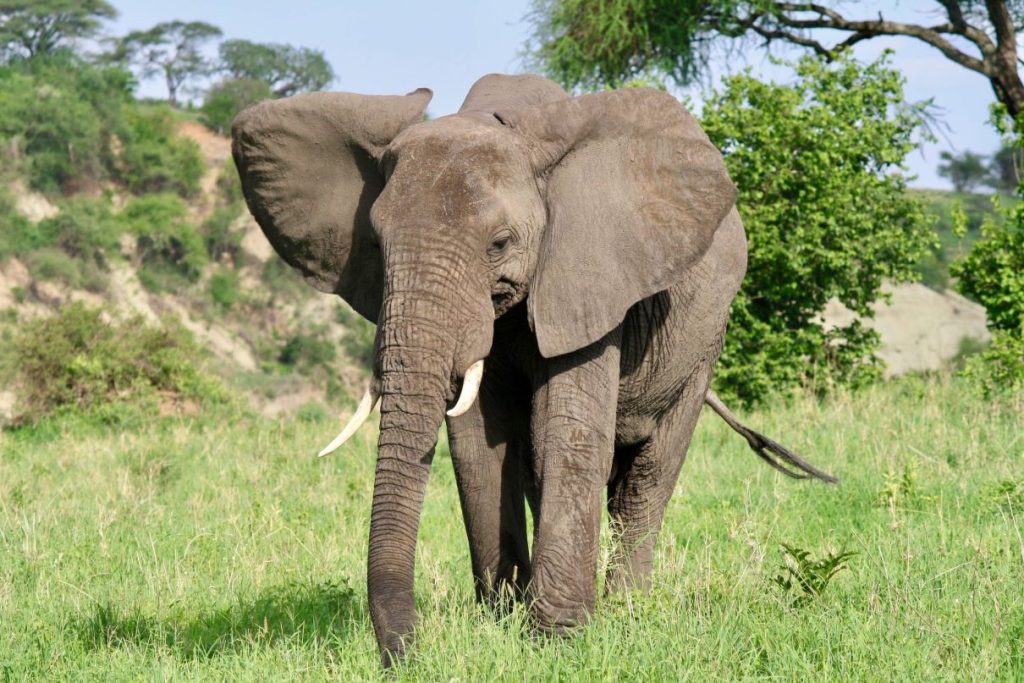
Tarangire National Park is widely celebrated for its exceptional wildlife density, particularly during the dry season when animals gather around the Tarangire River. The park is especially famous for its large elephant population, which is among the highest in East Africa. These elephants are frequently seen in impressive herds, often including mothers with calves, moving peacefully across the plains or feeding beneath giant baobab trees.
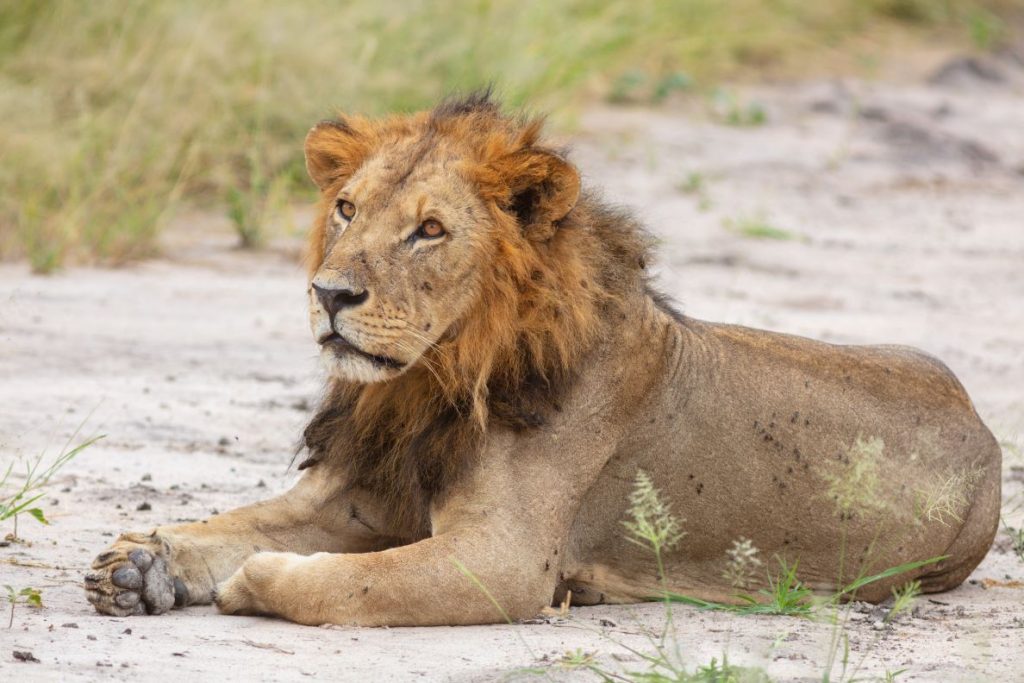
Predators are well represented in the park’s ecosystem. Lions are commonly observed resting in the shade or strategically watching prey near water sources, while leopards inhabit the dense riverine forests, remaining elusive yet present. Cheetahs occasionally roam the open grasslands, using speed and agility to hunt smaller antelopes, while hyenas and jackals play an important role in the scavenger cycle.
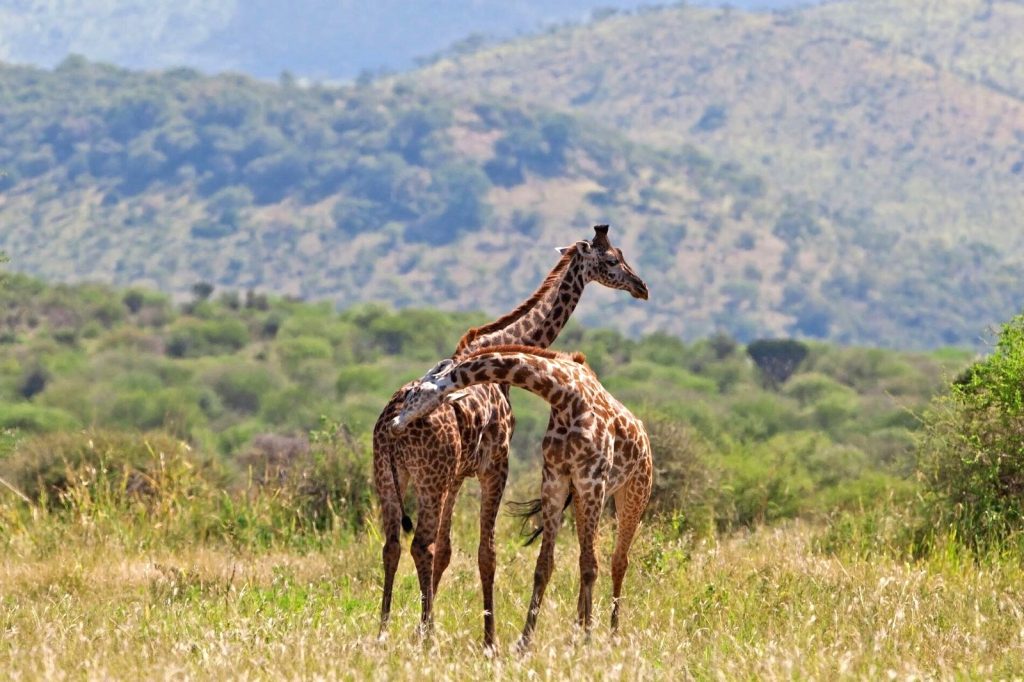
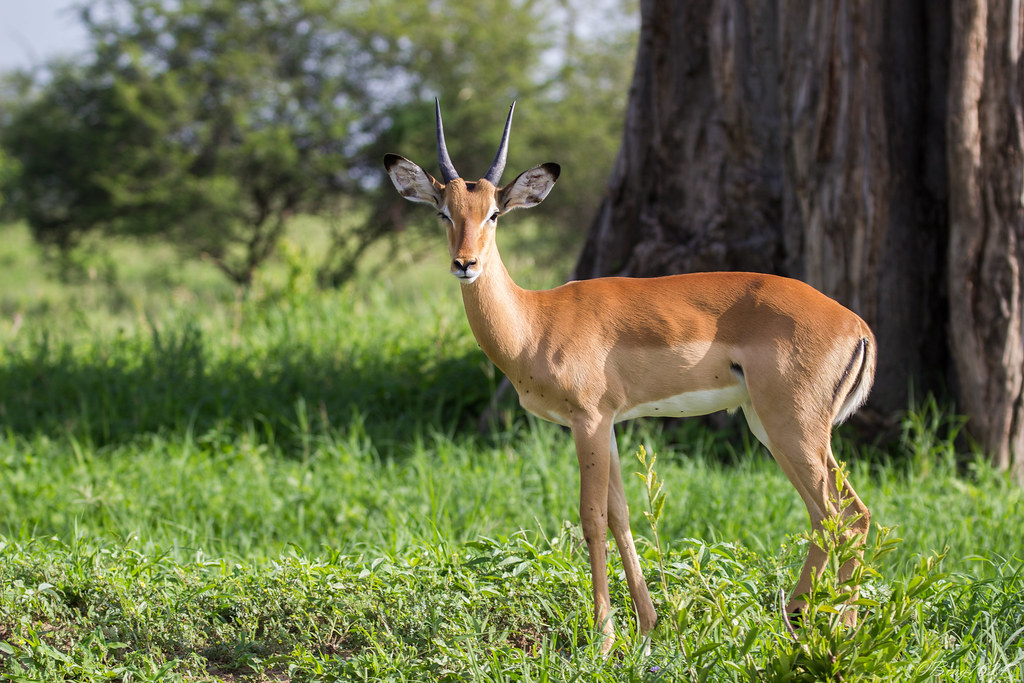
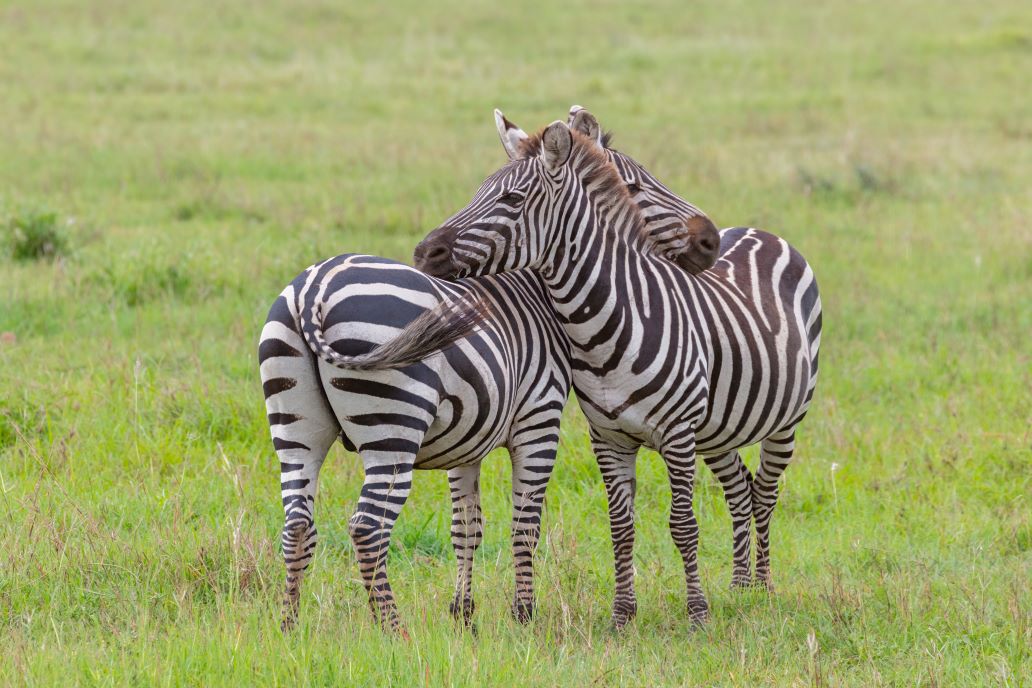
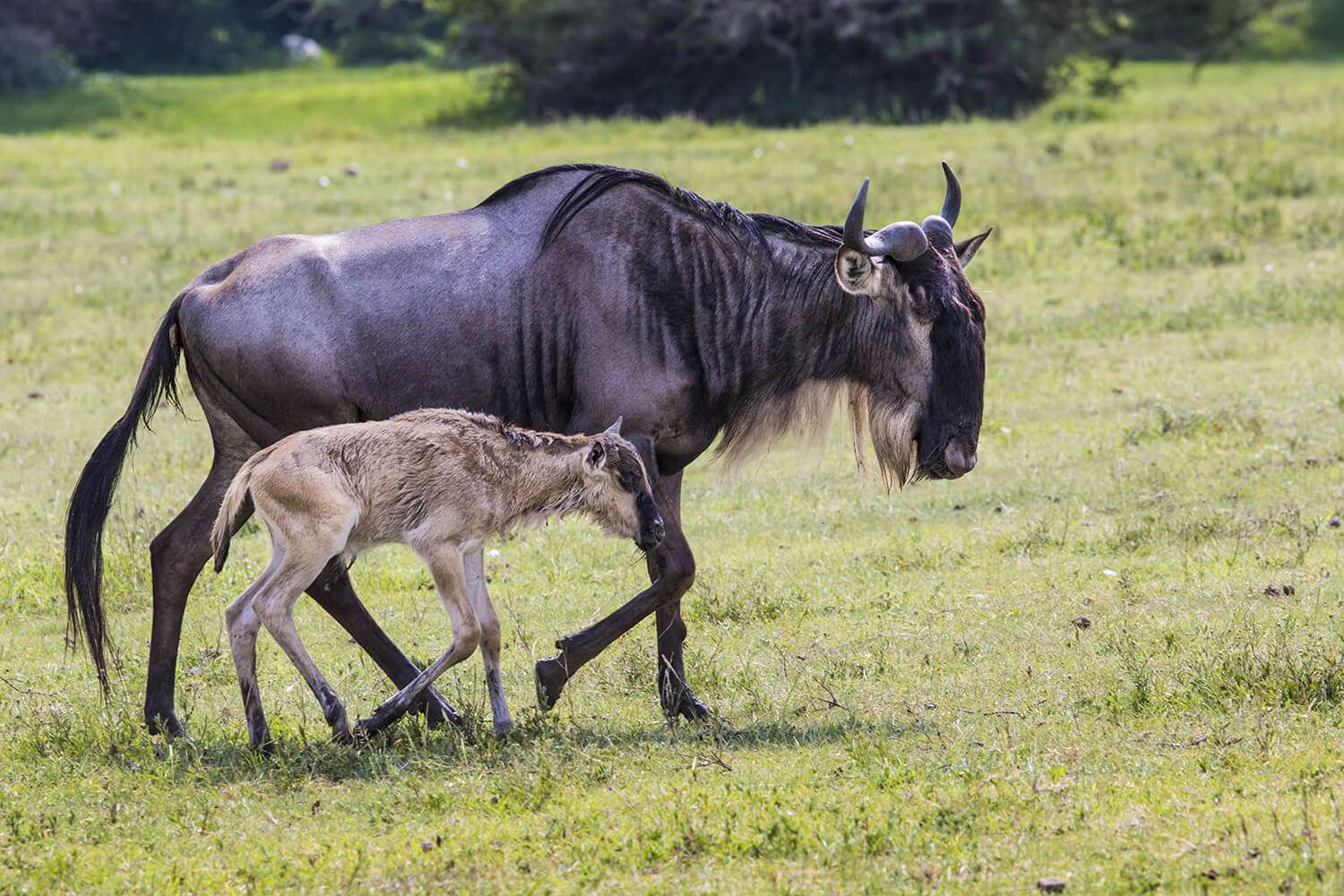
The herbivore population is equally rich and diverse. Large herds of wildebeest and zebras migrate seasonally through the park, accompanied by buffaloes that often form massive groups. Giraffes gracefully move through acacia woodlands, while antelope species such as impalas, waterbucks, elands, and the rare fringe-eared oryx add further variety to the landscape. This combination of species creates a dynamic ecosystem where predator-prey interactions are often visible in real time, making every game drive unpredictable and exciting.
Birdlife A Vibrant Sanctuary of Color and Sound
Tarangire National Park is one of Tanzania’s premier birdwatching destinations, with over 500 recorded species spread across its varied habitats. The park’s mix of wetlands, riverbanks, grasslands, and woodlands creates an ideal environment for both resident and migratory birds, offering year-round birding opportunities.
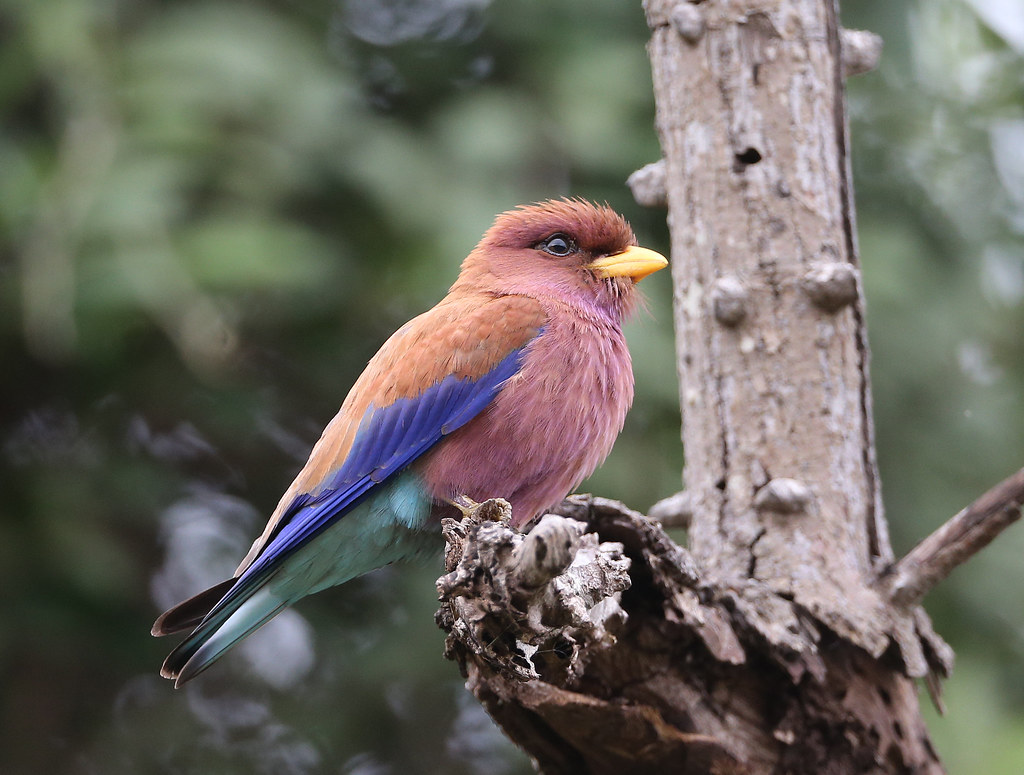
One of the park’s most iconic species is the yellow-collared lovebird, a small and brilliantly colored parrot that often appears in lively flocks. The lilac-breasted roller adds bursts of color to the skies, while the kori bustard, Africa’s heaviest flying bird, is frequently seen walking gracefully across the plains.
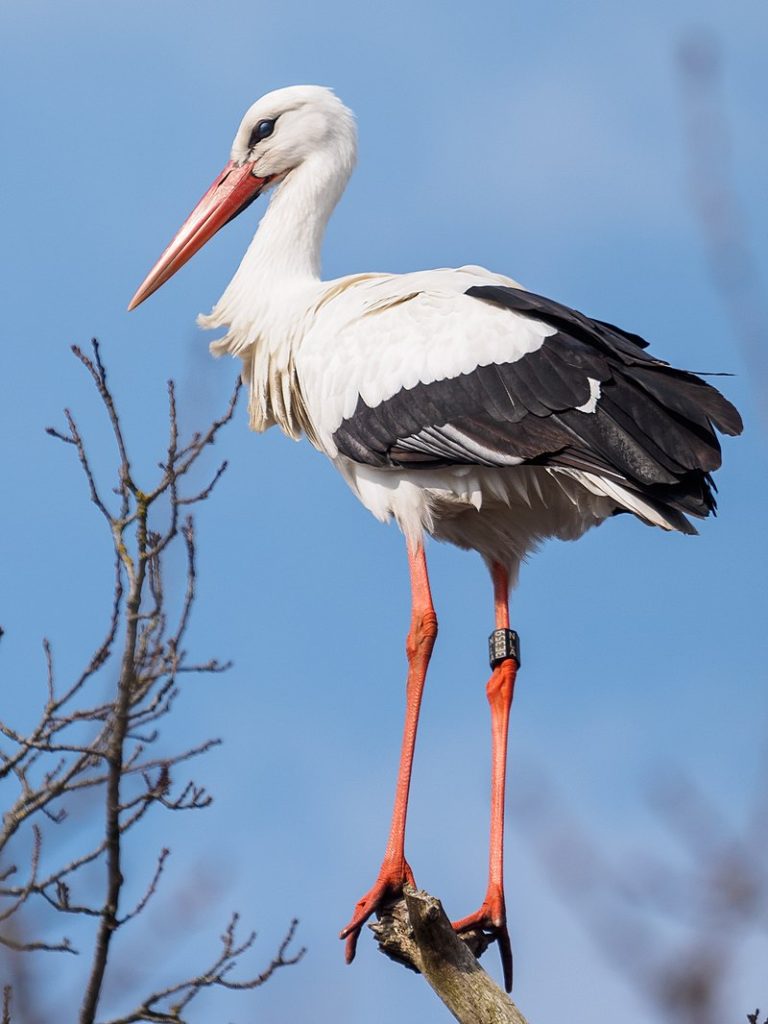
The Tarangire River and surrounding wetlands attract numerous waterbirds such as herons, egrets, storks, and kingfishers, especially during the rainy season when water levels rise. Raptors such as martial eagles, bateleur eagles, and African hawk-eagles soar above the savannah, scanning for prey with remarkable precision. During the wet season, migratory species from Europe and Asia enrich the bird population, transforming the park into a lively and ever-changing birding paradise filled with movement, sound, and color.
June to October (Dry Season)
The ideal time to visit Tarangire National Park is during the dry season from June to October. This period offers the highest concentration of wildlife as animals gather around permanent water sources, particularly the Tarangire River.
Vegetation is thinner, improving visibility and increasing the chances of witnessing predator action and large elephant herds in open landscapes.
November to May
The wet season from November to May presents a completely different experience. The park becomes lush and green, with flourishing vegetation, blooming landscapes, and fewer tourists. This is also the best time for birdwatching, as migratory species arrive in large numbers. Although wildlife is more dispersed during this period, the scenery is exceptionally beautiful and ideal for photography and peaceful exploration. ________________________________________ .
How to Get There
- By Road (Safari Vehicle)
By road, the park is approximately 2 to 3 hours from Arusha, covering a distance of around 120 kilometers. The journey is scenic, passing through rural landscapes, Maasai villages, and open plains that provide an early introduction to Tanzania’s natural beauty and cultural richness. Most safari itineraries include Tarangire as either a full-day excursion or part of a multi-park circuit.
- By Air (Light Aircraft Flights)
By air, travelers can take scheduled or charter flights from Arusha, Kilimanjaro International Airport, Serengeti, or Zanzibar to nearby airstrips such as Kuro Airstrip. From these airstrips
- Combination (Fly-in + Drive Safari)
A popular option: fly into the Serengeti and explore by 4×4 vehicle once inside the park.change this sentence to tsrsngire
Eco Dream Safari
Safari Specialist
Why Eco Dream
- Responsible Luxury & Comfort
- Personalized Safari Experience
- Authentic Wildlife Experience
Activities in Tarangire National Park
Game Drives
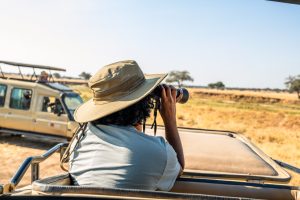
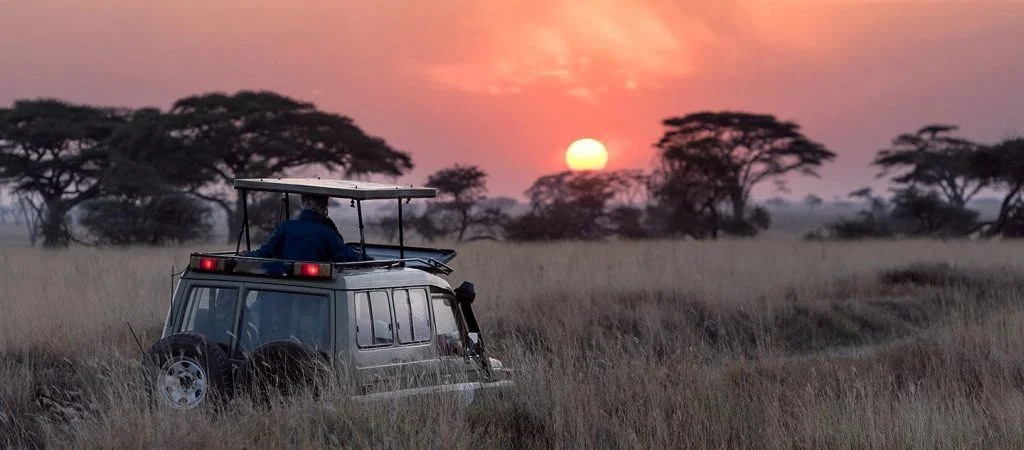
Game drives in Tarangire National Park offer the most immersive way to explore its vast wilderness. Conducted in specially designed 4×4 safari vehicles, these drives take visitors through diverse habitats including open savannahs, river valleys, and dense woodlands. Early morning and late afternoon game drives are particularly rewarding, as wildlife is most active during cooler hours.
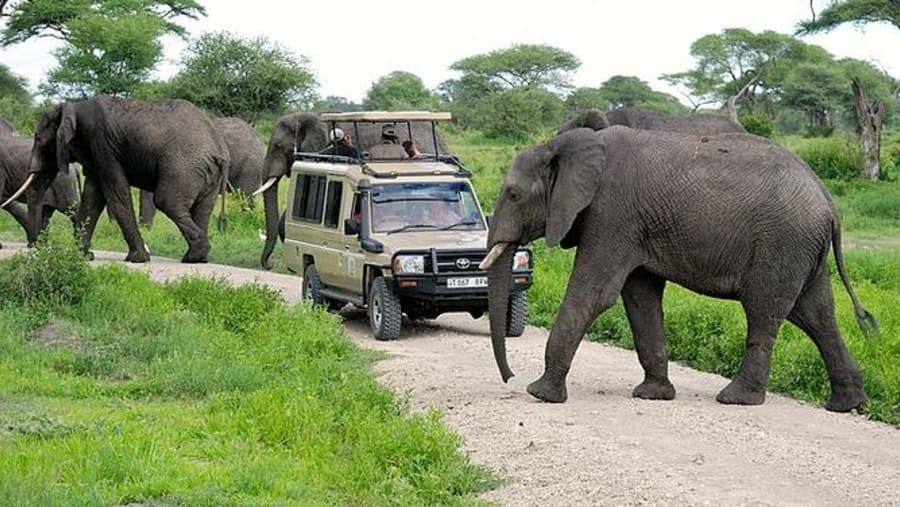
Visitors can witness elephants crossing dusty plains, lions stalking prey near the river, and large herds of zebras and wildebeests moving across the horizon. The presence of ancient baobab trees creates a dramatic backdrop, making every moment visually striking and unforgettable.
Bird Watching Safaris – A Paradise for Ornithologists
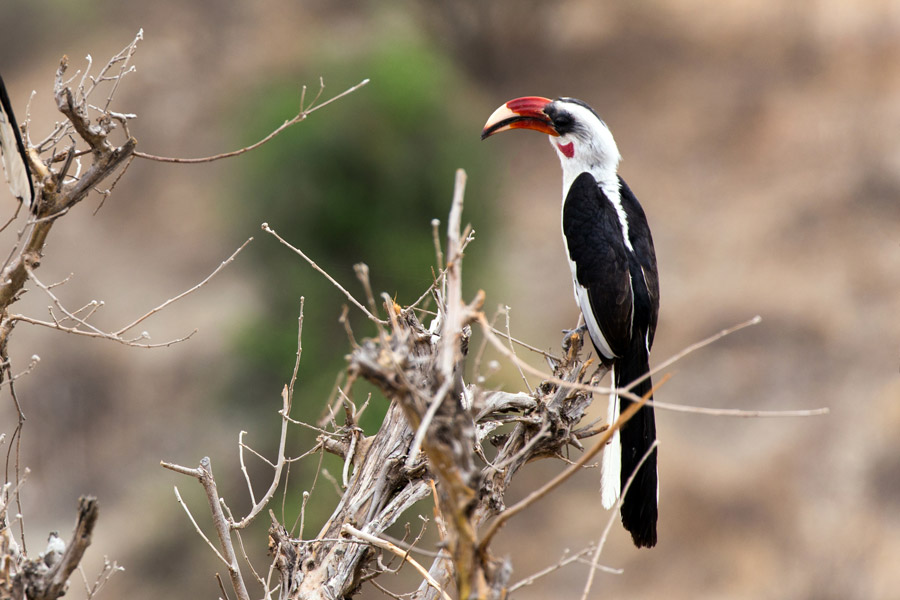
Bird watching in Tarangire is a deeply rewarding experience that reveals the park’s extraordinary biodiversity. Guided birding safaris take visitors through different ecological zones where they can observe hundreds of species in their natural habitats. From brightly colored lovebirds and rollers to majestic eagles soaring above the plains, every moment offers something new.
The Tarangire River basin and surrounding wetlands are especially rich in birdlife, attracting both resident and migratory species. Whether you are a beginner or experienced birder, the park offers an unmatched opportunity to observe rare and endemic birds in a peaceful, natural environment.
Walking Safaris – Intimate Connection with Nature
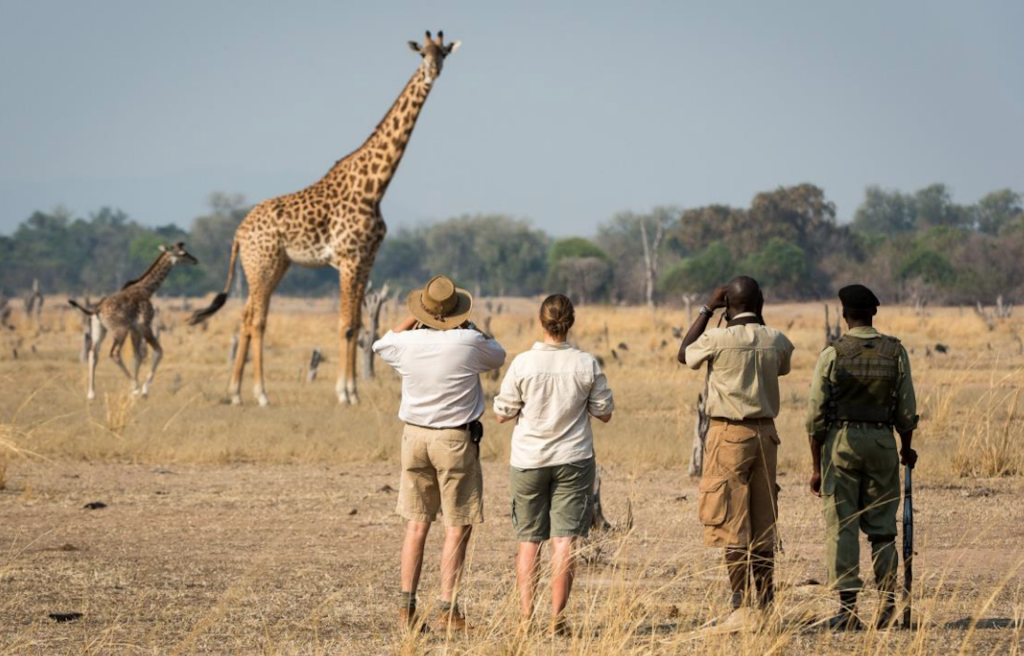
Walking safaris in Tarangire provide a unique opportunity to experience the African bush on foot, allowing visitors to engage directly with nature in a more personal and detailed way. Accompanied by professional armed guides, these walks focus on the smaller but equally fascinating aspects of the ecosystem.
Visitors learn to identify animal tracks, understand plant uses, observe insects, and appreciate the delicate balance of the environment. Unlike vehicle-based safaris, walking safaris offer a slower pace, where every sound, smell, and detail of the wilderness becomes part of the experience, creating a deeper connection with the natural world.
Night Game Drives – Discover the Hidden Nocturnal World
Night game drives reveal a completely different side of Tarangire National Park. As darkness falls, the park transforms into a quiet yet active world filled with nocturnal species. Equipped with spotlights, guided night drives allow visitors to observe animals that are rarely seen during the day, such as bush babies, civets, genets, porcupines, and occasionally leopards on the hunt.
The atmosphere is mysterious and thrilling, as the sounds of the night replace the daytime silence, offering a rare glimpse into the secret life of the African wilderness after sunset.
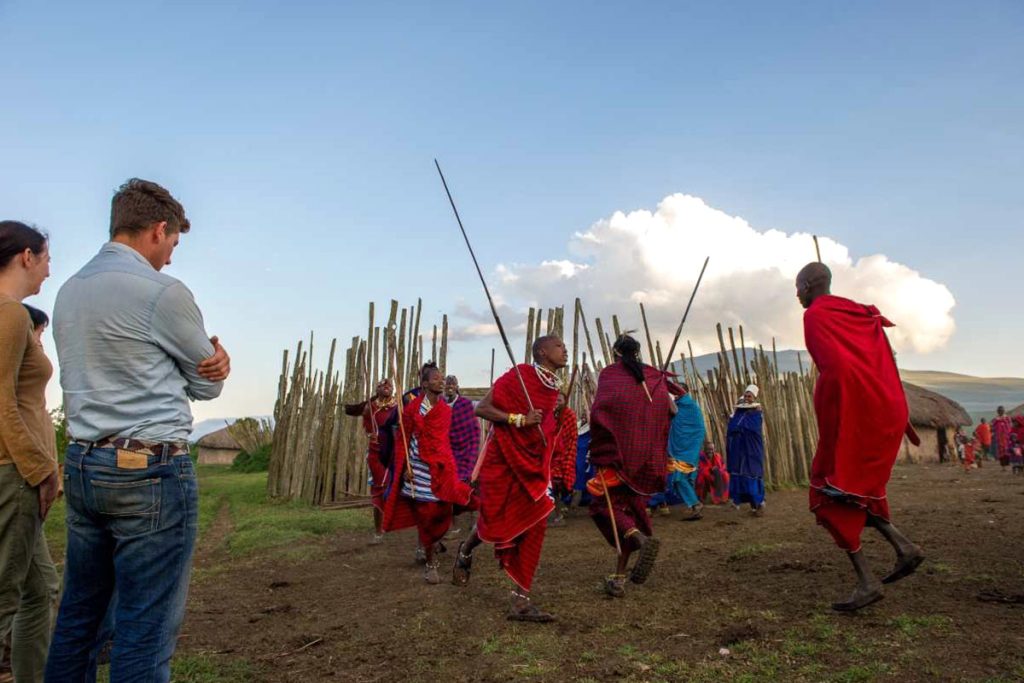
Cultural Visits – Experience Maasai Traditions
Cultural visits to nearby Maasai communities provide meaningful insight into one of East Africa’s most iconic cultures. Visitors are welcomed into traditional homesteads where they learn about Maasai customs, traditional dances, dress, and pastoral lifestyle.
These interactions offer a deeper understanding of how the Maasai people coexist with wildlife and maintain their cultural heritage in a rapidly changing world. It is an enriching experience that adds a human dimension to the safari journey, connecting wildlife exploration with cultural discovery.
Photography Safaris – Capturing the Essence of Africa
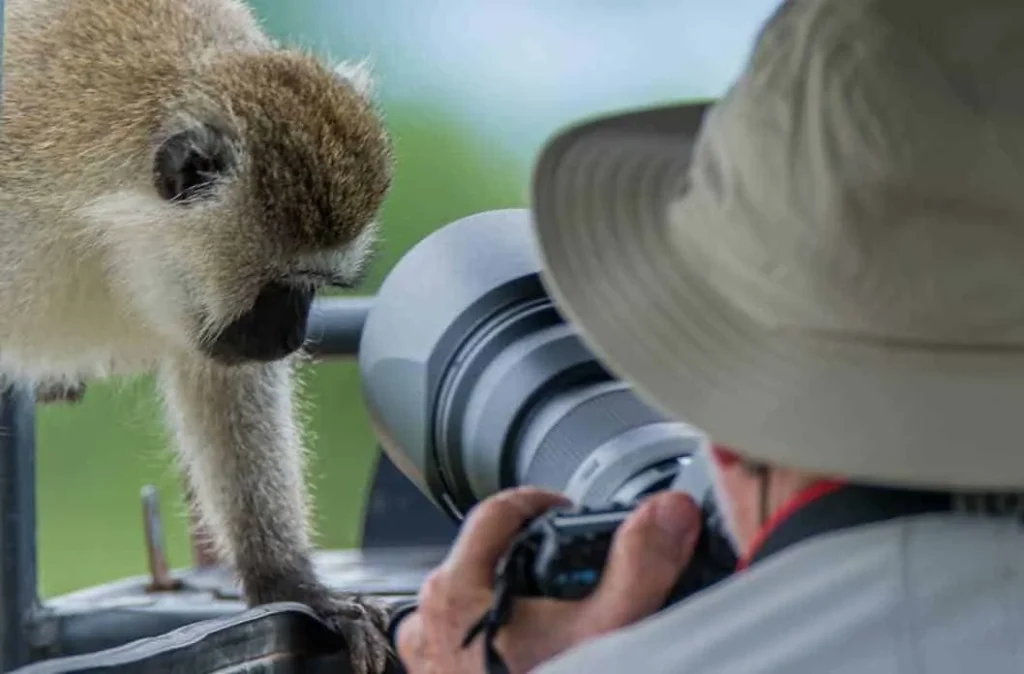
Tarangire is a dream destination for photographers, offering endless opportunities to capture iconic African imagery. The combination of dramatic landscapes, golden light, and abundant wildlife creates perfect conditions for both amateur and professional photography.
Elephant herds moving across dusty plains, lions resting under baobab trees, and colorful bird species in flight provide powerful visual stories. The changing light throughout the day, especially during sunrise and sunset, enhances every scene, making Tarangire one of the most photogenic parks in Tanzania.
Related Safari Destinations
Serengeti National Park
The Serengeti is a UNESCO World Heritage Site and one of Africa’s most protected and celebrated wildlife areas
- Zone : Northern Circuits
- Destinations: Tanzania
Ngorongoro Crater
Ngorongoro Crater is one of the most extraordinary natural wonders in Africa and a UNESCO World Heritage Site
- Zone : Northern Circuits
- Destinations: Tanzania
Tarangire National Park
Tarangire National Park is one of Tanzania’s most remarkable safari destinations, situated within the northern safari circuit
- Zone : Northern Circuits
- Destinations: Tanzania